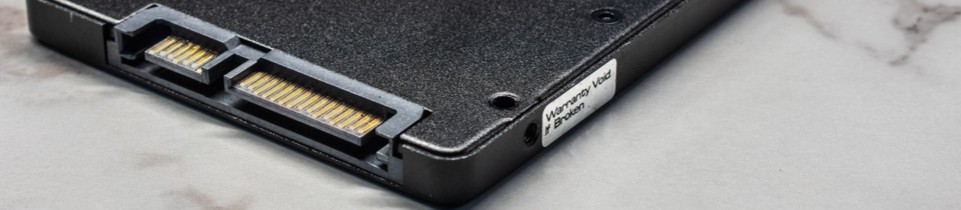
SSD에서의 가비지 컬렉션은 컨트롤러가 조용히 수행하는 정리 작업으로, 여전히 유효한 페이지들을 새로운 공간으로 압축해 옮기고 이제 대부분 쓸모없어진 블록을 지우는 과정이며, NAND 플래시는 이미 프로그램된 페이지를 덮어쓸 수 없기 때문에 먼저 삭제가 필요하고 이 삭제는 페이지 단위가 아니라 블록 단위에서 이루어지므로 결국 업데이트는 “다른 곳에 먼저 쓰고 나중에 정리하는” 방식으로 이루어집니다.
데이터 처리 단위의 불일치를 더 잘 이해하기 위해 예를 들면 어떤 장치는 데이터를 4,224바이트 페이지 단위로 프로그래밍할 수 있지만 256KB + 8KB 블록(64페이지) 단위로만 삭제할 수 있으며, 이것이 SSD 펌웨어가 데이터를 재배치하고 상당히 큰 단위로 공간을 정리해야 하는 이유입니다.
HDD는 이런 방식으로 동작하지 않으며 같은 섹터를 제자리에서 덮어쓸 수 있고 내부적인 재배치 및 지우기 사이클도 존재하지 않습니다. GC가 비효율적으로 작동하면 정리 과정에서 너무 많은 유효 데이터를 복사하게 되며, 이는 쓰기 증폭을 증가시키고 지속적인 쓰기 상황에서 지연 시간이 불안정하게 흔들리고 처리량이 안정적이지 않은 현상으로 나타납니다. 반대로 GC가 잘 조정되어 있으면 SSD의 가비지 컬렉션은 대부분 백그라운드에서 이루어지며 쓰기 증폭을 낮게 유지하고 정상 상태 성능이 예측 가능하게 안정적으로 유지됩니다.
보다 안정적인 산업용 정상 상태 동작이 필요한가요? ADATA Industrial IM2P41B8P를 확인해 보세요.
● 혹독한 환경의 쓰기 집약적 배포를 위해 설계된 NVMe 1.4 / PCIe Gen4x4, M.2 2280 SSD입니다.
● 전원 손실 방지(PLP)와 함께 단락 보호를 위한 추가 커패시터를 갖추고 있습니다.
● DRAM 버퍼와 LDPC ECC, RAID 엔진과 같은 컨트롤러 측 데이터 무결성 기능을 갖추고 있습니다.
● 엔드투엔드 데이터 경로 보호.
● 또한 TRIM, SLC 캐시, S.M.A.R.T. 모니터링 그리고 열 스로틀링을 지원합니다.
● 사양에는 256GB~4TB 용량, 최대 4900/4200MB/s 순차 읽기/쓰기 속도, 3.3V, 6.3W 전력, 그리고 1500G 충격 및 20G 진동과 같은 내구성 등급이 포함됩니다.
SSD의 가비지 컬렉션은 컨트롤러가 “혼합된” 블록을 찾는 것부터 시작하며, 이 블록에는 일부 페이지는 여전히 유효하고 다른 페이지는 이미 오래되어 무효 상태가 된 것이 섞여 있고 펌웨어는 매핑 메타데이터를 사용해 후보 블록에 점수를 매긴 뒤 무효 페이지가 많은 블록을 우선 선택하여 정리 작업이 최소화되도록 합니다.
그 다음 컨트롤러는 유효한 페이지들만 새로운 블록으로 이동시키고 논리 주소와 물리 주소 간 포인터를 업데이트하여 호스트가 여전히 동일한 LBA를 보도록 하며 포인터가 안전하게 갱신된 이후에야 원래 블록을 삭제하고 이를 자유 풀로 되돌립니다.
이상적으로는 컨트롤러가 GC를 비사용 시간이나 유휴 시간대에 실행하여 전경 I/O가 중단되지 않도록 하지만 자유 공간이 부족해지면 GC는 긴급 작업이 되어 쓰기 작업과 함께 즉시 실행될 수 있으며 SSD의 가비지 컬렉션이 지나치게 공격적으로 동작하면 이러한 추가 페이지 이동이 내부 쓰기를 증가시켜 쓰기 증폭을 높이고 P/E 예산을 더 빠르게 소모하게 됩니다.
이 지점에서 산업용 SSD는 보다 지능적으로 동작하려 하며 펌웨어 설정은 GC를 얼마나 적극적으로 수행할지와 내구성을 얼마나 보호할지를 결정하고 동시에 열 한계와 전력 소모도 고려해야 하므로 정책은 온도와 워크로드 압력에 따라 조정될 수 있으며
IM2P41E4는 제어된 GC 동작을 중심으로 한 펌웨어 기능을 통해 지속적인 쓰기 워크로드에 맞게 설계되었습니다.
● 112레이어 3D TLC, 3K P/E 등급을 갖춘 PCIe Gen4x4 / NVMe 1.4, M.2 2242 솔리드 스테이트 드라이브로 가비지 컬렉션, 웨어 레벨링, TRIM, SLC 캐시, 열 스로틀링, S.M.A.R.T.와 같은 펌웨어에서 확인 가능한 기능을 포함합니다.
● 또한 LDPC ECC, RAID 엔진, 엔드투엔드 데이터 경로 보호와 같은 데이터 무결성 보호 기능과 DRAM이 없는 설계에서 랜덤 동작을 개선하기 위한 호스트 메모리 버퍼를 제공합니다.
● 사양에는 128GB~2TB 용량과 최대 5000/4200MB/s 순차 읽기/쓰기 속도가 포함됩니다.
파일을 삭제하면 대부분의 파일 시스템은 메타데이터만 업데이트하며 NAND 페이지는 실제로 변경되지 않기 때문에 SSD는 해당 LBA가 더 이상 사용되지 않는다는 사실을 스스로 알 수 없고 TRIM(또는 SCSI UNMAP이나 NVMe Deallocate와 같은 명령)은 “이 범위는 더 이상 사용되지 않는다”는 것을 호스트가 알려주는 방식입니다.
SSD가 이 정보를 알게 되면 매핑 테이블에서 관련 물리 페이지를 무효로 표시할 수 있습니다. 그 결과 아직 필요할지도 모르는 페이지가 계속 유지되는 일이 줄어듭니다. 이 때문에 SSD의 가비지 컬렉션은 호스트가 이미 버린 데이터를 복사하지 않아도 되므로 더 빠르게 수행됩니다.
TRIM이 없으면 오래된 페이지도 SSD에는 여전히 유효한 것처럼 보입니다. 그래서 정리 과정에서 SSD는 “혹시 필요할지 모른다”고 판단해 이를 보존할 수 있습니다. 그러다가 나중에서야 그것이 쓸모없는 데이터였다는 것을 알게 됩니다. 이러한 추가 내부 프로그램 및 지우기 작업은 내구성을 소모하고 시간이 지날수록 지속적인 쓰기 속도를 떨어뜨립니다.
핵심 개념은 TRIM이 상류에서 전달되는 사실 정보이고 SSD의 가비지 컬렉션은 하류에서 수행되는 실행 단계라는 점입니다. TRIM이 VM, RAID 또는 씬 프로비저닝 스택에 의해 차단되면 SSD는 이러한 정보를 잃게 됩니다. 그러면 신뢰성도 떨어집니다. 따라서 장기 배포 환경에서는 discard가 엔드투엔드로 전달되는지 확인해야 합니다.

공장과 AIoT 게이트웨이에서는 쓰기가 사실상 멈추지 않습니다. 로그, 버퍼, 체크포인트, 그리고 로컬 캐시는 계속 생성됩니다. 그래서 산업용 SSD의 가비지 컬렉션은 단순히 짧은 벤치마크에서 빠르게 보이는 것이 아니라 지속적인 압력 아래에서도 예측 가능하게 유지되어야 합니다. SNIA의 내구성 가이드라인(JEDEC JESD218B.01 기반)은 ‘클라이언트’ 가정을 하루 8시간 활성 사용과 40°C 환경으로 보는 반면 ‘엔터프라이즈’ 가정을 하루 24시간 사용과 55°C 환경으로 보는데 이는 산업 자동화와 임베디드 배포의 항상 동작하는 현실에 훨씬 더 가깝다는 점을 참고해야 합니다.
ADATA Industrial SSD는 GC만에 의존하지 않습니다. 웨어 레벨링은 프로그램/지우기 부하를 NAND 전체에 분산시켜 특정 영역이 먼저 마모되지 않도록 합니다. 오버프로비저닝은 예비 플래시를 확보해 두어 컨트롤러가 “바닥을 긁어 쓰는” 상황 없이 데이터를 순환시킬 공간을 제공하고 장기적인 쓰기 스트레스를 낮춥니다. 따라서 산업용 SSD의 가비지 컬렉션은 지속 가능하게 유지됩니다.
PLP는 쓰기 도중 브라운아웃이 발생할 때의 안전장치입니다. 이는 진행 중인 데이터와 컨트롤러 메타데이터를 보호하는 데 도움을 주며 드라이브가 비정상 상태로 버티는 대신 정상 상태로 다시 시작할 수 있게 합니다. 한편 S.M.A.R.T.는 장치 상태의 변화 추세를 확인할 수 있게 해 주어 현장에서 고장이 발생하기 전에 장치를 점검하거나 교체할 수 있도록 합니다.
산업용 장비는 열 사이클, 진동, 그리고 24/7 운용 환경을 견뎌야 합니다. 이러한 환경은 열 관리가 약하고 설계 여유가 부족한 장치를 혹독하게 시험합니다. 따라서 넓은 온도 범위와 기계적 스트레스에 대해 명확히 등급이 부여되고 이러한 조건에서 검증된 드라이브를 선택해야 합니다.
지속적인 산업용 워크로드를 위한 SATA 기반 드라이브가 필요하다면 ISSS31AP가 적합합니다.
● 112레이어 3D TLC(BiCS5)를 사용하고 4TB / 8TB 옵션을 제공하는 2.5" SATA III 6.0Gbps SSD입니다.
● 최대 550/520MB/s 순차 읽기/쓰기 속도로 등급이 지정되어 있습니다.
● PLP와 함께 단락 보호를 위한 탄탈럼 폴리머 커패시터를 갖추고 있습니다.
● S.M.A.R.T., 열 스로틀링, LDPC ECC, SLC 캐시, 그리고 웨어 레벨링을 지원합니다.
● 또한 0°C~70°C(표준) 또는 -40°C~85°C(산업용) 온도 범위와 함께 최대 3.3W 전력에서 1500G 충격과 20G 진동 허용 등급이 명시되어 있습니다.
ADATA Industrial에서는 신뢰성을 단일 기능이 아니라 하나의 시스템으로 봅니다. 우리는 가비지 컬렉션, TRIM, 웨어 레벨링, 그리고 오버프로비저닝이 하나의 루프로 작동하도록 펌웨어를 조정하며 정리를 위한 충분한 여유 공간과 내구성 소모를 방지하기 위한 정책 제어도 함께 제공합니다.
또한 열 제어와 상태 텔레메트리와 같은 데이터 무결성 보호와 플랫폼 안정 동작도 적용합니다. 그래서 조건이 변하더라도 성능은 항상 안정적으로 유지됩니다. 이후 기능 테스트와 신뢰성 검증을 포함하는 SSD 검증 과정을 통해 이를 확인합니다. 이것이 중단될 수 없는 임베디드 및 산업용 배포 환경을 위해 신뢰할 수 있는 산업용 SSD를 제공하는 방식입니다.
한편 워크로드에 맞는 드라이브를 선택하세요.
● IM2P41E4 (M.2 2242, PCIe Gen4x4): 보드 공간이 제한적이지만 TRIM, 웨어 레벨링, S.M.A.R.T., 열 스로틀링과 함께 Gen4 처리량이 필요한 경우에 적합합니다.
● IM2P41E8 (M.2 2280, PCIe Gen4x4): 일반적인 2280 폼팩터에서 Gen4 성능과 동일한 내구성 중심 기능 구성이 필요한 경우에 적합합니다.
● ISSS31AP (2.5" SATA III, 4TB/8TB): PLP, 탄탈럼 폴리머 커패시터, TRIM, 웨어 레벨링, S.M.A.R.T.와 함께 레거시 SATA 시스템과 24/7 로그 기록 환경에 적합합니다.