

- 製品一覧
-
ソリューション
- 技術
-
最新情報

ADATA Industrial to Participate in Embedded World 2026 Leading the New Era of AI-Driven Innovation
さらに詳しく
ADATA INDUSTRIAL Unveils AI and Edge Storage Innovations at Embedded World North America 2025
さらに詳しく
ADATA Industrial Releases DDR5 6400 CU-DIMM and CSO-DIMM - Empowering HPC with overclocking speed and extraordinary stability
さらに詳しく- サービス
- 会社情報
- サービス












NVMe SSDとは?
メリット、性能、および産業アプリケーション
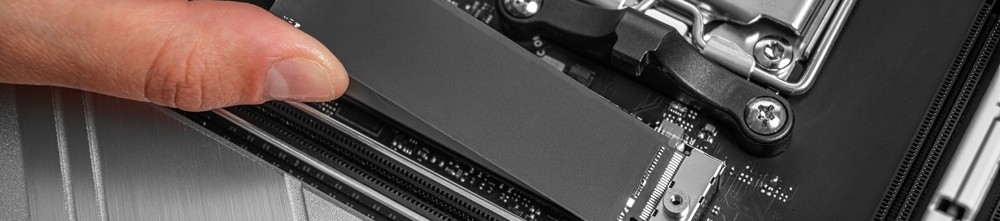
NVMe SSDとは?メリット、性能、および産業アプリケーション

産業システムが生成するリアルタイムデータ量が増えるにつれ、ストレージ性能は自動化、エッジコンピューティング、組み込みシステム設計における重要な要素となっています。従来のストレージインターフェースでは、継続的なデータログ記録、マシンビジョン処理、産業向け分析を扱う際にボトルネックが発生することがあります。そのため、最新の自動化プラットフォームの多くがNVMe SSD技術へと移行しています。
NVMe SSDはPCIeインターフェースとNVMeプロトコルを使用することで、従来のSATAベースのストレージと比べて大幅に高速化されたデータ転送速度と低遅延性、そして並列処理性能の向上を実現します。安定した24時間稼働が求められる自動化環境では、NVMe SSDはシステム応答性の高速化、効率的なデータ処理、長期的な運用信頼性に役立ちます。
NVMe SSDとは?
NVMe SSDは、PCIe(Peripheral Component Interconnect Express)インターフェース上でNon-Volatile Memory Express(NVMe)プロトコルを使用するソリッドステートドライブです。ハードディスクドライブの制約を前提に設計された従来のストレージ技術とは異なり、NVMeは速度と効率を最大化するためにフラッシュストレージ向けに特別開発されています。
従来のSATA SSDは、もともと機械式ハードドライブ向けに作られていた古いAHCIプロトコルに依存しています。NVMeは、PCIeレーンを通じてSSDがCPUとより直接的に通信できるようにすることで、こうした多くのボトルネックを解消しています。
PCIeベースのアーキテクチャ
PCIeはSATAインターフェースよりはるかに高い帯域幅を提供します。SATA IIIが約6Gb/秒に制限されているのに対し、PCIe Gen4 NVMe SSDは複数のPCIeレーンを利用することで、はるかに高いスループットを実現できます。IBMは、SATA SSDアーキテクチャと比べて、NVMeはデータ転送速度を大幅に高速化し、低遅延を実現すると指摘しています。このアーキテクチャは、センサー情報、機械ログ、検査画像、エッジAIワークロードなどのデータを継続的に処理する自動化システムにとって特に重要です。
並列処理能力
NVMe SSDアーキテクチャの最大のメリットの1つが、大規模な並列コマンドキューをサポートできる点です。NVMeは数千の並列キューとコマンドを同時に扱うことができるため、高頻度なデータアクセス時に発生するストレージボトルネックを軽減します。NetAppによれば、NVMeは最新のワークロードにおいて並列性を向上させ、フラッシュストレージの能力を最大限に発揮するために開発されたプロトコルです。
産業用自動化で使用する場合、これにより継続的なデータ取得、機器間通信、リアルタイム監視における応答速度が向上します。
リアルタイムシステムにおける遅延を低減
自動化環境では遅延性が極めて重要です。PLC、産業用コントローラー、ロボットプラットフォーム、マシンビジョン機器などは、ストレージの応答速度に大きく依存しています。
NVMe SSDはストレージとプロセッサー間の通信を効率化するため、SATA SSDと比べて遅延性が低減されます。これにより、産業システムは連続稼働中でもより効率的にデータへアクセスし、保存できるようになります。
NVMe SSDとSATA SSDの比較:性能とアーキテクチャの違い
NVMe SSDとSATA SSDはいずれもNANDフラッシュメモリを使用していますが、基盤となるアーキテクチャと通信プロトコルは大きく異なります。
帯域幅の違い
NVMeとSATAの最大の違いは帯域幅です。SATA IIIの理論上の最大スループットは約600MB/秒に制限されますが、PCIeベースのNVMe SSDはPCIeの世代やレーン構成に応じて数GB/秒のスループットを実現できます。
Kingstonは、VMe SSDは旧式のSATAインターフェースではなくPCIeレーンを使用しているため、転送速度がはるかに高速化されていると説明しています。
継続的なデータストリームを扱う自動化システムでは、帯域幅が高いほど、ログ、検査記録、運用データの書き込みが高速化されます。
IOPSとキュー深度
NVMe SSDでは、SATA SSDと比べて、IOPS(1秒あたりの入出力処理回数)も大幅に高くなります。NVMeはより多くのコマンドを同時に処理できるため、複数の並列タスクが含まれるワークロードに適しています。
特に、以下のような自動化システムで有効です。
- リアルタイムの機器監視
- AIベースの検査
- 産業向けエッジ分析
- 継続的なテレメトリのログ記録
- 複数カメラによる画像取得
プロトコル効率
SATA SSDは、もともと回転式ハードドライブ向けに最適化されていたAHCIプロトコルを使用しています。NVMeはNANDフラッシュメモリ向けに特別設計されており、ストレージとCPU間の通信をより効率的に行えます。
これによりソフトウェアのオーバーヘッドが軽減し、特に読み書き負荷の高いシステムで全体的な応答性が向上します。
遅延性と応答性
NVMeはプロトコルのオーバーヘッドを削減してPCIeを介して直接通信するため、SATA SSDよりもはるかに低い遅延性を実現します。産業用自動化環境では、遅延性が低いと機器の応答速度やリアルタイムデータ処理の信頼性向上に役立ちます。
高頻度データログ向けNVMe SSDの主なメリット

高頻度データログは、自動化システムで一般的です。産業用プラットフォームは、センサー情報、機器ステータス情報、運用指標、検査記録などを一日中継続的に収集することがよくあります。
連続録画のための低遅延
NVMe SSDはデータ書き込みや読み出し時の遅延を抑えるのに役立ちます。これにより、ピーク時の負荷が高いときでも、大量の入力データをより効率的に処理できます。
自動化環境では、低遅延性は以下に役立ちます。
- リアルタイム監視
- 予知保全システム
- 機器診断
- 産業向けAIアプリケーション
- 生産分析
持続的な書き込み性能
産業システムでは、短時間の高速処理よりも、長時間にわたる安定した書き込み性能が求められることがよくあります。産業用途向けに設計されたNVMe SSDは、継続的なワークロード下でより一貫性のある書き込み動作を維持できます。
これは、次のように常時データストリームを生成するシステムにとって重要です。
- データロガー
- 監視システム
- 自動検査装置
- 製造分析プラットフォーム
- 交通監視システム
耐久性と信頼性
産業用自動化システムは24時間無休で稼働することが多いため、ストレージの耐久性が選ぶ際の重要な要素になります。エンタープライズ向けおよび産業向けNVMe SSDは、一般的なコンシューマ向けドライブよりも、高い書き込み量や過酷な環境に耐えられるよう設計されています。
信頼性の高いストレージは、次のようなリスクの低減に役立ちます。
- データ破損
- 予期しないダウンタイム
- ログ記録の中断
- ドライブの早期摩耗
- システムの不安定化
エッジコンピューティングの対応を強化
自動化が分散型エッジアーキテクチャへと移行するにつれ、処理やストレージに関するタスクの多くが、機械やデバイスに近接した場所でますます実行されるようになっています。NVMe SSDは、組み込みシステムに適したコンパクトなフォームファクタで、高速なローカルストレージ性能を提供することで、この移行をサポートします。
自動化システムにおけるNVMe SSDの産業用途
NVMe SSDは、継続的な稼働において安定した高速ストレージが求められる産業自動化環境でますます広く利用されるようになっています。
PLCおよび産業用制御システム
PLCおよび産業用制御システム(PLC)は、構成ファイル、イベントログ、機器分析、ファームウェア管理などのタスクにローカルストレージを利用する場合があります。NVMe SSDはデータアクセス速度を向上させ、システム応答を高速化させるために役立ちます。
データロガーおよび監視機器
産業用データロガーは、センサー、機器、製造ラインから大量の運用データを収集します。ログ記録のワークロードは常に続くため、ストレージ性能と耐久性が極めて重要になります。
ADATA IndustrialのIM2P42B8は、PCIe Gen4の性能、安定した動作、組み込みおよび自動化プラットフォーム向けの信頼性の高いデータ処理を必要とする産業用途向けに設計されています。
堅牢タブレットおよび産業用モバイルデバイス
現場作業用機器、堅牢タブレット、携帯型産業システムでは、低消費電力で高速応答性を備えたコンパクトなストレージが求められることがよくあります。NVMe SSDは、こうしたデバイスが携帯性を維持しながら効率的にデータへアクセスし、保存できるようにします。
ADATA IndustrialのIM2P41B8は、安定した高速ストレージ性能を必要とする組み込みおよび産業用コンピューティング環境に適したM.2 PCIe SSDソリューションです。
自動車および交通システム
自動車システム、フリート管理プラットフォーム、交通監視ソリューションは、しばしば大量のテレメトリデータと運用データを生成します。NVMe SSDは、絶え間ないワークロード下でも、ストレージへの高速アクセスと信頼性の高いログ記録をサポートするのに役立ちます。
効率性と信頼性が求められるエッジコンピューティングや自動化システム向けに、ADATA IndustrialはIM2P41E8を提供しています。これは、組み込み用途や長期運用環境向けに設計された産業用NVMe SSDです。
24時間連続稼働する産業用途向けNVMe SSDの選び方
すべてのNVMe SSDが産業用途向けに最適化されているわけではありません。自動化システムは過酷な環境下で連続稼働することがよくあるため、ストレージを選ぶ際にはピーク速度以外の性能も重視する必要があります。
耐久性評価
産業システムには、数年間にわたり継続的にデータが書き込まれる場合があります。TBW(Terabytes Written:書き込みテラバイト数)などの耐久性指標を確認することで、そのSSDドライブが長期的に想定される書き込み量に耐えられるかどうかを判断できます。
高い耐久性は特に次の用途で重要です。
- 連続ログ記録システム
- 監視プラットフォーム
- AI分析システム
- 産業用ゲートウェイ
- エッジコンピューティングデバイス
熱安定性
自動化環境では、ストレージデバイスが高温、振動、エアフローの制限といった条件にさらされることがあります。熱安定性は重要で、過熱は性能低下やSSD寿命の短縮につながります。
産業用NVMe SSDには、しばしば、組み込み環境で長期的な信頼性を確保するための熱管理機能が搭載されています。
信頼性機能
産業用途で求められる信頼性機能には以下が含まれます。
- 電力損失保護
- エラー訂正技術
- ウェアレベリング
- 不良ブロック管理
- 健全性モニタリング機能
これらの技術は、データの整合性と長期的な運用安定性の向上に役立ちます。
プラットフォーム互換性
NVMe SSDを選ぶ際には、次の点を確認する必要があります。
- 対応しているPCIe世代
- M.2フォームファクタ要件
- 組み込みマザーボードのレイアウト
- OSの対応状況
- 産業用コントローラーの仕様
自動化や組み込みシステムでは、設置スペース、熱条件、インターフェースの制約が環境によって大きく異なるため、互換性の確認は特に重要です。
最新の自動化にNVMe SSDが重要な理由
自動化システムが扱うデータ量が増えるにつれ、ストレージ性能はシステム全体の信頼性や応答性に大きく影響するようになっています。NVMe SSDは、従来のSATAベースのストレージと比べて、帯域幅、低遅延性、並列処理性能が向上しており、継続的な産業ワークロードへの対応力も強化されています。
産業用コントローラー、データロガー、エッジコンピューティングシステム、堅牢タブレット、自動車向けプラットフォームなどの用途において、NVMe SSD技術はリアルタイムのデータ処理と長期的な運用安定性に貢献します。
より信頼性の高い自動化インフラの構築をご検討されている場合は、ADATA IndustrialのIM2P42B8、IM2P41B8、およびIM2P41E8ソリューションを確認し、貴社のプラットフォームの性能、耐久性、信頼性要件に最も適した産業用NVMe SSDをお選びください。


インサイト
View all
How to Choose Server RAM:
Learn how to choose server RAM, including ECC, UDIMM vs. RDIMM, DDR4 vs. DDR5, memory capacity, platform compatibility, and industrial server applications.

ECC RAM vs. Non-ECC RAM:
Compare ECC RAM vs. Non-ECC RAM and learn how ECC Memory corrects memory errors, how DDR5 On-Die ECC differs from system-level ECC, what platform compatibility requirements to consider, and how to choose between ECC UDIMM, RDIMM, and SODIMM for medical, networking, NVR, Edge AI, and transportation applications.

What Is Signage Storage?
Signage Storage supports the local storage requirements of Digital Signage, POS, kiosks, and AI retail systems. Explore key SSD selection factors, including interface, capacity, endurance, operating temperature, PLP, S.M.A.R.T. monitoring, and fixed BOM.

高耐久SSD:実環境のワークロードにおけるTBWと製品寿命
TBW、DWPD、P/Eサイクル、pSLC、MLC、TLC、QLCが産業用SSDの耐久性にどのように影響するのかについて解説します。ADATA Industrialからサポートを得ながら、監視、サイバーセキュリティ、エッジワークロードに適したSSDを選定できます。

SSD SMARTデータを使用してドライブの健全性を監視する方法とは?
SSD SMARTデータには、ストレージデバイスの動作状態が継続的に記録されます。累積稼働時間、温度、書き込み量、耐久性の消費状況、利用可能な予備容量、予期しない電力損失の発生などの情報を提供します。

自動車用SSDとは?
自動車用SSDは、テレマティクス、鉄道用NVR、フリート管理、ADAS、路側エッジシステムなど、過酷な輸送環境で信頼性の高いストレージを実現するために設計されています。ADATAの産業グレードSSDは、-40°C~85°Cで動作し、AEC-Q100 Grade 3に相当する温度範囲をカバーしているため、多くの車載用途に適しています。