














工業級 SSD 的垃圾回收:你需要知道的事


了解 SSD 中的垃圾回收(GC)
SSD 中的垃圾回收是控制器的靜態清理工作。它將仍然有效的頁面壓縮到新空間,並抹除現在大多是垃圾的區塊。這聽起來很奇怪,直到您記起 NAND 快閃記憶體無法覆寫已編程的頁面。它必須先抹除,而抹除是在區塊層級進行,而非每個頁面。因此,更新變成「先寫到別處,之後再清理」。
為了讓您更了解粒度不匹配的情況,裝置可能以 4,224 位元組的頁面編程資料,但只能在 256 KB 加上 8 KB 的區塊(64 個頁面)中抹除。這就是為什麼 SSD 韌體需要重新定位資料並清除相當大區塊的空間。
HDD 不是這樣運作的。它們可以就地覆寫相同的磁區,而且沒有內部的重新定位與抹除循環。當 GC 效率低下時,它在清理期間會複製太多有效資料。這會膨脹寫入放大,而您會感受到的是持續寫入下的抖動延遲和不穩定吞吐量。當它調校良好時,SSD 中的垃圾回收大多保持在背景執行,保持放大率低,而您的穩定狀態效能是可預測地平穩。
想要更穩定的工業穩定狀態行為?查看 ADATA Industrial IM2P41B8P。
- 一款為嚴苛、重度寫入部署打造的 NVMe 1.4 / PCIe Gen4x4、M.2 2280 SSD。
- 斷電保護(PLP)加上額外電容器以提供短路保護。
- DRAM 緩衝區和控制器端完整性功能,如 LDPC ECC、RAID 引擎。
- 端到端資料路徑保護。
- 它還支援 TRIM、SLC 快取、S.M.A.R.T. 監控和熱節流。
- 規格列出 256GB-4TB、最高 4900/4200 MB/s 循序讀取/寫入、3.3V、6.3W,以及堅固性評級如 1500G 衝擊和 20G 振動。
SSD 垃圾回收如何運作
挑選「受害者」區塊
SSD 垃圾回收始於控制器尋找「混合」的區塊。有些頁面仍然有效,其他頁面已經陳舊。韌體使用其對應後設資料來評分候選者,並偏好具有大量無效頁面的區塊,這樣清理工作就很小。
遷移活動頁面,然後回收區塊
之後,它只將有效頁面重新定位到新鮮的區塊。然後,它更新邏輯到實體的指標,讓主機仍然看到相同的 LBA。只有在指標安全後,控制器才會抹除原始區塊並將其返回到可用池。
安排 GC 時間以迴避延遲,以及為什麼「太多」會造成傷害
理想情況下,控制器在離峰或閒置視窗執行 GC,因此前景 I/O 不會停滯。但當可用空間變緊時,GC 可能變得緊急並與寫入同時執行。當 SSD 垃圾回收變得太積極時,那些額外的頁面移動變成額外的內部寫入,這會提高寫入放大並更快消耗 P/E 週期。
真實世界中的工業韌體調校
這就是工業級 SSD 試圖變聰明的地方。韌體選擇決定 GC 運作的程度與它保護耐用度的程度。它還必須尊重熱限制和功耗,因此,政策可能會根據溫度和工作負載壓力進行調整。
我們的 IM2P41E4 是為持續寫入而設計,具有圍繞受控 GC 行為的韌體功能。
- 一款 PCIe Gen4x4 / NVMe 1.4、M.2 2242 固態硬碟,具有 112 層 3D TLC、3K P/E 評級,以及韌體可見的建構區塊,包括垃圾回收、磨損均衡、TRIM、SLC 快取、熱節流和 S.M.A.R.T.。
- 完整性保護(LDPC ECC、RAID 引擎、端到端資料路徑保護)和主機記憶體緩衝區,以在無 DRAM 設計上獲得更好的隨機行為。
- 規格概述 128GB-2TB 和最高 5000/4200 MB/s 循序讀取/寫入。
TRIM 與垃圾回收之間的關係
TRIM 是來自主機的「解除分配」提示
當您刪除檔案時,大多數檔案系統只會更新後設資料。NAND 頁面不會被觸碰。因此,SSD 無法自行判斷那些 LBA 已經失效。TRIM(及其同類如 SCSI UNMAP 或 NVMe Deallocate)是主機在說:「這些範圍不再使用。」
TRIM 將清理從猜測變成規劃
一旦 SSD 知道,它就可以在其對應表中將相關實體頁面標記為無效。這意味著較少的「可能仍然需要」頁面被攜帶前進。它讓 SSD 中的垃圾回收更快,因為控制器跳過複製主機已經丟棄的資料。
沒有 TRIM 意味著更慢的寫入和更多的快閃磨損
沒有 TRIM,陳舊頁面對 SSD 來說仍然看起來有效。這就是為什麼在清理期間,它可能會保留它們「以防萬一」,然後稍後才發現它們是無用的。那些額外的內部編程和抹除會消耗耐用度,並隨著時間推移拖累持續寫入速度。
TRIM + GC 是系統級可靠性基線
關鍵思維是 TRIM 是上游真相,而 SSD 中的垃圾回收是下游執行。如果 TRIM 被 VM、RAID 或精簡配置堆疊阻擋,SSD 會失去那個真相,而可靠性會受損。因此,對於長壽命部署,請確保 TRIM 端到端通過。
為什麼垃圾回收對工業級 SSD 很重要

永不停機的寫入讓「穩定行為」成為真正的規格
在工廠和 AIoT 閘道器中,寫入從未真正停止。日誌、緩衝區、檢查點和本地快取不斷湧入。這就是為什麼工業級 SSD 的垃圾回收必須在永久壓力下保持可預測,而不僅僅是在短期基準中看起來很快。請注意,SNIA 的耐用度指引(基於 JEDEC JESD218B.01)比較「客戶端」假設的每天 8 小時活躍使用於 40°C,與「企業級」假設的每天 24 小時於 55°C,這更接近工業自動化和嵌入式部署的永不停機現實。
GC 需要支援團隊:磨損均衡和超額配置
ADATA Industrial SSD 不只依賴 GC。磨損均衡將編程/抹除負載分散到整個 NAND,一個熱門區域不會過早老化。超額配置保留備用快閃記憶體,讓控制器有空間旋轉資料而不會「刮到底」,同時降低長期寫入壓力。因此,工業級 SSD 的垃圾回收是可持續的。
PLP 和 S.M.A.R.T. 將耐用度變成您可以管理的東西
PLP 是當電壓驟降發生在寫入中途時的安全網。它有助於保護傳輸中資料和控制器後設資料,而硬碟會乾淨地回來而不是跛行。同時,S.M.A.R.T. 讓您能夠看到健康趨勢,讓您可以在裝置在現場故障之前進行維修。
嚴苛條件是消費級硬碟悄悄崩潰的地方
工業設備與熱循環、振動和 24/7 值班共存。那種環境懲罰薄弱的熱控制和脆弱的邊距。因此,您想要一款明確評級為寬溫和機械應力的硬碟,並針對那些條件進行驗證。
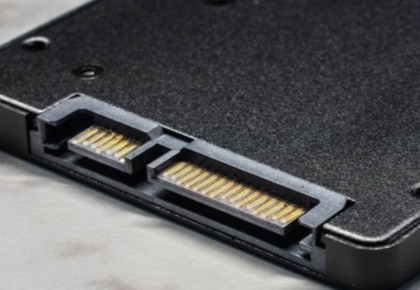
如果您需要一款用於持續工業工作負載的 SATA 主力,我們的 ISSS31AP 是理想的。
- 一款具有 112 層 3D TLC(BiCS5)和 4TB / 8TB 選項的 2.5" SATA III 6.0Gbps SSD。
- 評級最高達 550/520 MB/s 循序讀取/寫入。
- PLP 加上鉭聚合物電容器以提供短路保護。
- S.M.A.R.T.、熱節流、LDPC ECC、SLC 快取和磨損均衡。
- 它指定為 0°C-70°C(標準)或 -40°C-85°C(工業級),以及最高 3.3W 最大功率的 1500G 衝擊和 20G 振動耐受度。
與 ADATA Industrial SSD 建立長期可靠性
在 ADATA Industrial,我們相信可靠性是一個系統,而非單一功能。我們調校韌體,讓垃圾回收、TRIM、磨損均衡和超額配置作為一個迴路運作,同時有足夠的備用空間來清理和足夠的政策控制來避免耐用度消耗。
我們還使用資料完整性保護和平台安全行為,如熱控制和健康遙測。因此,當條件漂移時,效能總是穩定的。然後,我們透過包含功能測試和可靠性驗證的 SSD 驗證流程來驗證它。這就是我們為無法暫停的嵌入式和工業部署提供可靠工業級 SSD 的方式。
同時,為您的工作負載挑選正確的硬碟:
- IM2P41E4(M.2 2242,PCIe Gen4x4):當板子空間緊湊,但您仍然需要 Gen4 吞吐量加上 TRIM、磨損均衡、S.M.A.R.T. 和熱節流時的最佳選擇。
- IM2P41E8(M.2 2280,PCIe Gen4x4):當您想要在常見的 2280 尺寸中獲得 Gen4 效能,以及相同的耐用度導向功能堆疊時的最佳選擇。
- ISSS31AP(2.5" SATA III,4TB/8TB):對於傳統 SATA 系統和 24/7 日誌記錄,搭配 PLP、鉭聚合物電容器、TRIM、磨損均衡和 S.M.A.R.T. 的最佳選擇。