

- 製品一覧
-
ソリューション
- 技術
-
最新情報

ADATA Industrial to Participate in Embedded World 2026 Leading the New Era of AI-Driven Innovation
さらに詳しく
ADATA INDUSTRIAL Unveils AI and Edge Storage Innovations at Embedded World North America 2025
さらに詳しく
ADATA Industrial Releases DDR5 6400 CU-DIMM and CSO-DIMM - Empowering HPC with overclocking speed and extraordinary stability
さらに詳しく- サービス
- 会社情報
- サービス











Monthly Memory & Flash Market Watch
June 2024


AMD to use Samsung's 3nm tech as it looks to dual-source future chips
• The firm stated at ITF World 2024 that it will mass-produce chips on a 3-nm-class GAA process, and Samsung Foundry is the only company to offer such production technology.
• Using Samsung Foundry as 2nd source other than TSMC is considered AMD’s strategy to expand its manufacturing capacity, sell more products, and gain leverage for price negotiations with TSMC.
Kioxia showcased in Dell Technologies World product lineup designed to meet evolving IT demands of the future
• The company highlighted its PCIe 5.0 SSDs in the show, stressing the benefits over PCIe 4.0 SSDs in a variety of real-world server and storage configurations/workload combinations including CD8 U.2 for data center and CM7 E3.S enterprise NVMe SSDs.
Western Digital launched WW Highest Capacity 6TB 2.5-Inch HDDs
• The record-breaking HDD features 256-bit AES hardware encryption to achieve password protection.


SK Hynix working on products suitable for datacenter AI training, edge AI, and on-device AI inference
• Such products include 300TB SSD, HBM4, CXL Pooled Memory Solutions, LPDDR6, GDDR7, and high-capacity DDR5.
• The 300TB SSD is considered a rival for Samsung's PBSSD initiative which is limited to storing 240TB of data.
Micron speeds up to 5,600MT/s in 32Gb die-based 128G DDR5 R-DIMM on leading server platforms
• The DDR5 R-DIMM is based on 1β technology, which delivers more than 45% improved bit density, up to 22% improved energy efficiency, and up to 16% lower latency over competitive products with 3DS TSV packaging technology.
• Such an advanced product will be supported by ecosystems including AMD, HPE, Intel, and Supermicro.

SUPPLY TREND
2023-2024 Worldwide SSD Shipment

WW SSD demand will not show obvious growth throughout 2024, yet is still recovering gradually.
2023-2024 Worldwide DRAM Output

2023-2024 NAND Price Trend & Sufficiency Ratio

NAND Sufficiency: maintained at extreme low level from 2H23
Price Trend: NAND flash price is expected to climb continuously at least until 3Q24
2023-2024 DDR4 Price Trend & Sufficiency Ratio

DRAM Sufficiency: maintained at extreme low level throughout 2024
Price Trend: 8Gb contract price had another rebound at Q2/B after the severe price increase in Jan./24. It will remain at a higher level than the spot low trend in 2024
SUPPLY SIGNAL
| Type | Supply | Price | |
|---|---|---|---|
|
DRAM Module  |
DDR3 | ● | ▲ |
| DDR4 | ● | ▲ | |
| DDR5 | ● | ▲ | |
|
Flash Storage  |
SLC | ● | ▂ |
| MLC | ● | ▂ | |
|
3D TLC (BiCS3) *Limited Supply. We encourage you to migrate to BiCS5 |
● | ▲ | |
|
3D TLC (BiCS4) * Tight supply. We encourage you to migrate to BICS5. |
● | ▲ | |
| 3D TLC (BiCS5) | ● | ▲ |
●Smooth Supply ● Mildly Tight Supply ● Tight supply ▂ Flat ▲ Upward trend ▼ Downward trend


インサイト
View all
What Is an NVMe SSD?
Learn what an NVMe SSD is, how NVMe differs from SATA SSDs, and why NVMe storage is ideal for automation, industrial systems, and high-frequency data logging.

ECC DRAMとは?
ECC DRAMとは何か、エラー訂正の仕組み、そしてデータの整合性、システムの安定性、ネットワークセキュリティ、ミッションクリティカルなコンピューティングにおいて重要となる理由について解説します。

NVRストレージの選び方効率的な監視システムに必要となる重要なポイント
NVRストレージを選定する際の主な検討事項:HDD、SSD、監視用SSD、およびAI NVRのストレージ要件を比較し、安定した高性能監視システムを構築しましょう。

SSDの動作温度範囲とは?
温度はすべてのSSDを左右する隠れた制限要因であり、SSDの温度範囲は性能仕様であると同時に信頼性仕様でもあります。持続的な負荷がかかると、NVMeファームウェアは複合温度を監視し、軽度または大幅なサーマルスロットリングを開始します。その結果、書き込みスループットが低下し、遅延は急上昇します。また、熱はNAND内部の電荷漏れを加速させ、保持期間の劣化を早めます。この影響は、プログラム/消去サイクルによってセルの劣化が進むほど悪化します。このため、耐久性の消耗が早まり、後にドライブが無通電状態で放置された際のデータ保持トラブルのリスクも高まります。
産業用SSDにおけるガーベージコレクション:押さえておくべきポイント
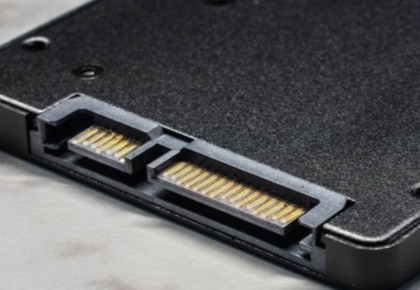
SSDにおけるガーベージコレクションとは、コントローラーが静かに行うクリーンアップ作業のことです。まだ有効なページを新しい領域にまとめ、ほとんど不要になったブロックを消去します。奇妙に聞こえるかもしれませんが、NANDフラッシュはプログラム済みページを上書きできないことを思い出せば納得できます。まず消去する必要があり、この消去はページ単位ではなくブロック単位で行われます。そのため、更新処理は「別の場所に書き込んでから、後で消去する」という動作になります。

SSDのオーバープロビジョニングとは
すべてのSSDには、OSからは見えない物理NANDが存在します。ベンダーはこのフラッシュの一部を、ユーザーには見えないコントローラー専用領域として確保しています。この予備領域がオーバープロビジョニング(OP)と呼ばれます。たとえば、TechTargetは、あるSSDは、物理NANDが976GBあるものの、ホストからアクセスできるのは800GBのみで、残りの176GBはコントローラー専用のOP領域として確保されたと報告しています。さらに、この領域にはFTLのマッピングテーブルや不良ブロックプールなどの内部メタデータも格納されます。このように、SSDのオーバープロビジョニングとは、ドライブ内部に存在するこの隠れた作業領域のことを指しています。