

- 제품
- 솔루션
- 기술
-
새 소식

ADATA Industrial to Participate in Embedded World 2026 Leading the New Era of AI-Driven Innovation
자세히 알아보기
ADATA INDUSTRIAL Unveils AI and Edge Storage Innovations at Embedded World North America 2025
자세히 알아보기
ADATA Industrial Releases DDR5 6400 CU-DIMM and CSO-DIMM - Empowering HPC with overclocking speed and extraordinary stability
자세히 알아보기- 서비스
- 회사 소개









Monthly Memory & Flash Market Watch
October 2025


U.S. government considers annual permits for Samsung and SK hynix to supply equipment to their Chinese fabs
• The decision will add significant regulatory complexity, but will at least maintain continuity for fab operations without enabling upgrades or expansions that could boost China's access to advanced chip technology. This approach helps avoid disruption to the highly-volatile global supply of DRAM and NAND memory.
SanDisk’s 10% price hike meets demand-side resistance
• SanDisk aims to elevate market prospect by a 10% price increase, which has however been met with resistance from the demand end. With the peak season of stocking activities having concluded, the withering degree of end demand for the time being is unable to provide a support for prices, thus restricting suppliers’ price hikes within channels, and have yet to branch out to the retail market.
Nvidia and Kioxia target 100 million IOPS SSD in 2027
• The drives are projected to use a PCIe 7.0 interface to connect to GPUs in a peer-to-peer mode and will be exclusively designed for use in AI.
• Nvidia plans to use a couple of such SSDs — totalling a whopping 200 million IOPS — attached directly to its GPUs to boost AI performance. The 100 million IOPS SSD delivers 33 times more than that existing drives can achieve.


OpenAI's Stargate project to consume up to 40% of global DRAM output
• Samsung and SK hynix have inked preliminary agreements to supply undiced wafer memory to OpenAI’s massive Stargate data center initiative, projecting 900,000 DRAM wafers demand per month. Analysts predict that DRAM capacity could grow by 8.7% in 2025 to around 2.25 million WSPM.
Micron surged to a record high driven by strong AI-related memory demand, robust data center growth, and aggressive investment in HBM
• The company is ramping up HBM capacity, with FY2025 capital expenditure projected at $14B—up 75% from the previous year—to support HBM3 production.
• Data center revenue surged 400% YoY and 40% QoQ, surpassing 50% of total revenue for the first time, driven by DRAM and HBM demand.

SUPPLY TREND
2024-2025 Worldwide SSD Shipment

WW SSD demand recovers from relatively lower level in Q2, and is expected to stay at a higher level than current stage in 2026.
2024-2025 Worldwide DRAM Output

2024-2025 NAND Price Trend & Sufficiency Ratio

Flash Sufficiency: maintain at low level since 2024. Suppliers have strengthened their production reduction efforts, concentrating manufacturing resources on AI-related demand.
Price Trend: overall NAND flash price is expected to increase by at least 10% in Q4 with enterprise and cloud service provider (CSP) demand surging—driven by AI infrastructure expansion and server upgrades.
2024-2025 DDR4 Price Trend & Sufficiency Ratio

DRAM Sufficiency: Supply remains at an extremely low level throughout 2025. Extreme shortages begin in Q4 and are likely to continue into 2026 1H.
Price Trend: DDR4 prices remain high due to ongoing production cuts. Strong demand from CSPs and enterprise servers has tightened DDR4 supply, with manufacturers prioritizing DDR5 and HBM, driving prices even higher through Q4.


인사이트
View all
What Is an NVMe SSD?
Learn what an NVMe SSD is, how NVMe differs from SATA SSDs, and why NVMe storage is ideal for automation, industrial systems, and high-frequency data logging.

What Is ECC DRAM?
Learn what ECC DRAM is, how error correction works, and why it matters for data integrity, system stability, networking security, and mission-critical computing.
NVR 스토리지 선택 방법: 효율적인 감시 시스템을 위한 핵심 요소
NVR 스토리지 선택 시 고려해야 할 핵심 사항: 안정적이고 고성능의 감시 시스템을 구축하기 위해 HDD, SSD, 감시용 SSD 및 AI NVR 스토리지 요구 사항을 비교합니다

SSD 온도 범위란 무엇입니까?
온도는 모든 SSD에서 보이지 않는 제한 요소이며 SSD 온도 범위는 성능 사양이자 신뢰성 사양이기도 합니다. 지속적인 부하가 걸리면 NVMe 펌웨어는 종합 온도를 추적하고 가볍거나 강하게 스로틀링을 시작합니다. 그래서 쓰기 처리량은 크게 떨어지고 지연 시간은 급증합니다. 열은 NAND 내부의 전하 누설도 가속시켜 데이터 유지력 감소를 빠르게 만듭니다. 이 효과는 셀이 프로그램/지우기 마모로 노화될수록 더 심해집니다. 따라서 드라이브가 나중에 전원이 꺼진 상태로 남아 있을 때 내구성을 더 빨리 소모하고 데이터 보존 문제의 위험도 높아집니다.
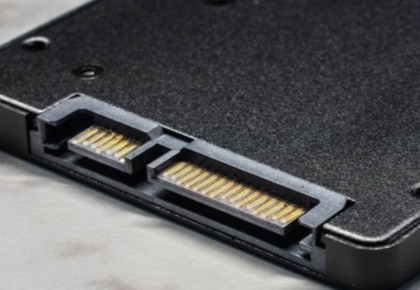
산업용 SSD의 가비지 컬렉션: 알아야 할 사항
SSD에서의 가비지 컬렉션은 컨트롤러가 조용히 수행하는 정리 작업으로, 여전히 유효한 페이지들을 새로운 공간으로 압축해 옮기고 이제 대부분 쓸모없어진 블록을 지우는 과정이며, NAND 플래시는 이미 프로그램된 페이지를 덮어쓸 수 없기 때문에 먼저 삭제가 필요하고 이 삭제는 페이지 단위가 아니라 블록 단위에서 이루어지므로 결국 업데이트는 “다른 곳에 먼저 쓰고 나중에 정리하는” 방식으로 이루어집니다.
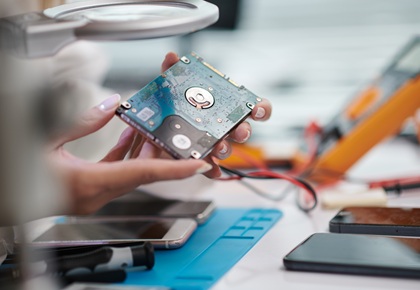
SSD 오버프로비저닝이란 무엇일까요?
모든 SSD 내부에는 OS가 인식할 수 있는 용량보다 더 많은 물리적 NAND가 존재합니다. 제조업체는 이 플래시의 일부를 사용자 용량으로 표시되지 않는 컨트롤러 전용 공간으로 예약합니다. 이와 같이 예약된 영역을 오버프로비저닝(OP)이라고 합니다. 예를 들어 TechTarget에 따르면 물리적 NAND 용량이 976GB인 SSD에서 호스트가 접근할 수 있는 용량은 800GB에 불과하며, 나머지 176GB는 컨트롤러 전용 오버프로비저닝 용량으로 남겨 둡니다. 또한 이 공간에는 FTL 매핑 테이블과 배드 블록 풀과 같은 내부 메타데이터가 저장됩니다. 따라서 SSD 오버프로비저닝이 무엇인지 묻는다는 것은 실제로 드라이브 내부에 있는 이러한 숨겨진 작업 공간을 의미합니다.