

- 제품
- 솔루션
- 기술
-
새 소식

ADATA Industrial Debuts at Electronica India and embedded world North America Reinforcing AI Edge Storage Leadership
자세히 알아보기
ADATA Industrial to Participate in Embedded World 2026 Leading the New Era of AI-Driven Innovation
자세히 알아보기
ADATA Industrial Releases DDR5 6400 CU-DIMM and CSO-DIMM - Empowering HPC with overclocking speed and extraordinary stability
자세히 알아보기- 서비스
- 회사 소개
- 서비스













NVM SSD란 무엇인가?
이점, 성능, 산업용 애플리케이션
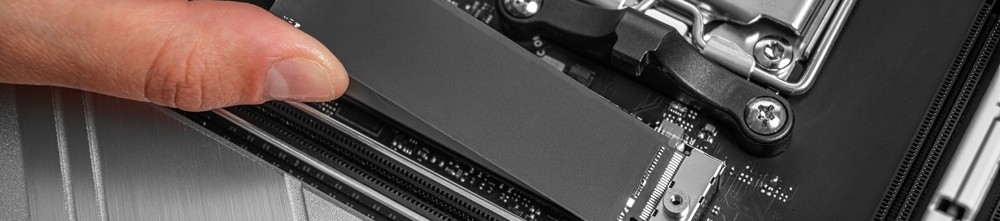
NVM SSD란 무엇인가? 이점, 성능, 산업용 애플리케이션

산업용 시스템이 더 많은 양의 실시간 데이터를 생성함에 따라, 스토리지 성능은 자동화, 엣지 컴퓨팅 및 임베디드 시스템 설계에서 중요한 요소가 되었습니다. 기존 스토리지 인터페이스는 지속적인 데이터 로깅, 머신 비전 워크로드 또는 산업용 분석을 처리할 때 병목 현상을 일으킬 수 있습니다. 그렇기 때문에 많은 최신 자동화 플랫폼이 NVMe SSD 기술로 전환하고 있습니다.
NVMe SSD는 PCIe 인터페이스와 NVMe 프로토콜을 사용하여 기존 SATA 기반 스토리지에 비해 훨씬 더 빠른 데이터 전송 속도, 더 낮은 지연 시간 및 향상된 병렬 처리 성능을 제공합니다. 안정적인 24시간 연중무휴 작동이 필요한 자동화 환경에서 NVMe SSD는 더 빠른 시스템 응답성, 더 효율적인 데이터 처리 및 장기적인 운영 안정성을 지원하는 데 도움이 됩니다.
NVM SSD란 무엇인가?
NVMe SSD는 PCIe(Peripheral Component Interconnect Express) 인터페이스를 통해 Non-Volatile Memory Express(NVMe) 프로토콜을 사용하는 솔리드 스테이트 드라이브입니다. 하드 디스크 드라이브의 한계를 기준으로 설계된 기존 스토리지 기술과 달리, NVMe는 속도와 효율성을 극대화하기 위해 플래시 기반 스토리지용으로 특별히 개발되었습니다.
기존 SATA SSD는 원래 기계식 하드 드라이브용으로 만들어진 구형 AHCI 프로토콜에 의존합니다. NVMe는 SSD가 PCIe 레인을 통해 CPU와 더 직접적으로 통신할 수 있도록 하여 이러한 병목 현상 중 상당수를 제거합니다.
PCIe 기반 아키텍처
PCIe는 SATA 인터페이스보다 훨씬 더 높은 대역폭을 제공합니다. SATA III는 약 6Gb/s로 제한되는 반면, PCIe Gen4 NVMe SSD는 여러 PCIe 레인을 사용하여 훨씬 더 높은 처리량을 달성할 수 있습니다. IBM은 NVMe가 SATA SSD 아키텍처에 비해 훨씬 더 빠른 데이터 전송 속도와 더 낮은 지연 시간을 가능하게 한다고 설명합니다. 이러한 아키텍처는 센서 데이터, 머신 로그, 검사 이미지 또는 엣지 AI 워크로드를 지속적으로 처리하는 자동화 시스템에서 특히 중요합니다.
병렬 처리 기능
NVMe SSD 아키텍처의 가장 큰 장점 중 하나는 대규모 병렬 명령 큐를 지원할 수 있다는 점입니다. NVMe는 수천 개의 병렬 큐와 명령을 동시에 지원하여, 높은 빈도의 데이터 액세스 중 스토리지 병목 현상을 줄이는 데 도움이 됩니다. NetApp은 NVMe가 최신 워크로드에서 병렬성을 향상하고 플래시 스토리지 성능을 극대화하도록 설계되었다고 설명합니다.
산업 자동화에서는 이것이 지속적인 데이터 수집, 기계 통신 및 실시간 시스템 모니터링 중 더 빠른 응답 시간으로 이어집니다.
실시간 시스템을 위한 낮은 지연 시간
자동화 환경에서 지연 시간은 매우 중요합니다. PLC, 산업용 컨트롤러, 로봇 플랫폼 및 머신 비전 장비와 같은 시스템은 빠른 스토리지 응답 시간에 의존하는 경우가 많습니다.
NVMe SSD는 SATA SSD에 비해 스토리지와 프로세서 간 통신을 간소화하여 지연 시간을 줄입니다. 이를 통해 산업용 시스템은 지속적인 작동 중 데이터를 더 효율적으로 액세스하고 저장할 수 있습니다.
NVMe와 SATA SSD 비교: 성능 및 아키텍처 차이
NVMe SSD와 SATA SSD는 모두 NAND 플래시 메모리를 사용하지만 기반 아키텍처와 통신 프로토콜은 매우 다릅니다.
대역폭 차이
NVMe와 SATA의 가장 큰 차이는 대역폭입니다. SATA III의 최대 이론적 처리량은 약 600MB/s로 제한되는 반면, PCIe 기반 NVMe SSD는 PCIe 세대와 레인 구성에 따라 초당 수 기가바이트의 속도를 제공할 수 있습니다.
Kingston은 NVMe SSD가 구형 SATA 인터페이스가 아닌 PCIe 레인을 사용하기 때문에 훨씬 더 높은 전송 속도를 제공한다고 설명합니다.
지속적인 데이터 스트림을 처리하는 자동화 시스템에서는 더 높은 대역폭을 통해 로그, 검사 기록 및 운영 데이터를 더 빠르게 기록할 수 있습니다.
IOPS 및 큐 깊이
NVMe SSD는 SATA SSD에 비해 훨씬 더 높은 IOPS(Input/Output Operations Per Second)도 지원합니다. NVMe는 훨씬 더 많은 명령을 동시에 처리할 수 있으므로, 여러 병렬 작업이 포함된 워크로드에 더 적합합니다.
이는 다음을 실행하는 자동화 시스템에서 특히 유용합니다.
- 실시간 머신 모니터링
- AI 기반 검사
- 산업용 엣지 분석
- 지속적인 텔레메트리 로깅
- 다중 카메라 이미지 캡처
프로토콜 효율성
SATA SSD는 원래 회전식 하드 드라이브에 최적화된 AHCI 프로토콜을 사용합니다. NVMe는 NAND 플래시 메모리용으로 특별히 설계되어, 스토리지와 CPU 간의 통신을 더 효율적으로 수행할 수 있습니다.
이는 소프트웨어 오버헤드를 줄이고, 특히 읽기/쓰기 워크로드가 많은 시스템에서 전반적인 응답성을 향상합니다.
지연 시간 및 응답성
NVMe는 프로토콜 오버헤드를 줄이고 PCIe를 통해 직접 통신하므로 SATA SSD보다 훨씬 더 낮은 지연 시간을 달성합니다. 산업 자동화 환경에서 낮은 지연 시간은 더 빠른 기계 응답과 더 안정적인 실시간 데이터 처리를 지원하는 데 도움이 됩니다.
높은 빈도의 데이터 로깅을 위한 NVMe SSD의 주요 이점

높은 빈도의 데이터 로깅은 자동화 시스템에서 흔히 사용됩니다. 산업용 플랫폼은 센서 데이터, 기계 상태 정보, 운영 지표 및 검사 기록을 하루 종일 지속적으로 수집하는 경우가 많습니다.
연속 기록을 위한 낮은 지연 시간
NVMe SSD는 데이터 쓰기 및 검색 중 발생하는 지연을 줄이는 데 도움이 됩니다. 이를 통해 시스템은 피크 워크로드 중에도 대량의 수신 데이터를 더 효율적으로 처리할 수 있습니다.
자동화 환경에서 낮은 지연 시간은 다음을 지원할 수 있습니다.
- 실시간 모니터링
- 예측 유지보수 시스템
- 머신 진단
- 산업용 AI 애플리케이션
- 생산 분석
지속적인 쓰기 성능
산업용 시스템에는 짧은 순간의 속도보다 장기간에 걸친 안정적인 쓰기 성능이 필요한 경우가 많습니다. 산업용 애플리케이션을 위해 설계된 NVMe SSD는 지속적인 워크로드에서도 더 일관된 쓰기 동작을 유지할 수 있습니다.
이는 다음과 같이 지속적인 데이터 스트림을 생성하는 시스템에서 중요합니다.
- 데이터 로거
- 감시 시스템
- 자동 검사 장비
- 제조 분석 플랫폼
- 운송 모니터링 시스템
내구성 및 안정성
산업 자동화 시스템은 24시간 연중무휴로 작동하는 경우가 많으므로, 스토리지 내구성은 중요한 선택 요소입니다. 엔터프라이즈 및 산업용 등급 NVMe SSD는 표준 소비자용 드라이브보다 더 높은 쓰기 용량과 더 까다로운 환경을 처리하도록 설계되었습니다.
안정적인 스토리지는 다음과 같은 위험을 줄이는 데 도움이 됩니다.
- 데이터 손상
- 예기치 않은 다운타임
- 로깅 중단
- 조기 드라이브 마모
- 시스템 불안정
엣지 컴퓨팅에 대한 향상된 지원
자동화가 분산형 엣지 아키텍처로 이동함에 따라, 더 많은 처리 및 스토리지 작업이 기계 또는 장치 자체와 더 가까운 곳에서 이루어지고 있습니다. NVMe SSD는 임베디드 시스템에 적합한 컴팩트한 폼 팩터와 빠른 로컬 스토리지 성능을 제공하여 이러한 전환을 지원하는 데 도움이 됩니다.
자동화 시스템에서 NVMe SSD의 산업용 애플리케이션
NVMe SSD는 지속적인 작동을 위해 안정적인 고속 스토리지가 필요한 산업 자동화 환경 전반에서 점점 더 많이 사용되고 있습니다.
PLC 및 산업용 컨트롤러 시스템
PLC(Programmable Logic Controller) 및 산업용 제어 시스템은 구성 파일, 이벤트 로깅, 기계 분석 및 펌웨어 관리를 위해 로컬 스토리지에 의존할 수 있습니다. NVMe SSD는 데이터 액세스 속도를 향상하고 더 빠른 시스템 응답성을 지원하는 데 도움이 됩니다.
데이터 로거 및 모니터링 장비
산업용 데이터 로거는 센서, 장비 및 생산 라인에서 대량의 운영 데이터를 수집합니다. 로깅 워크로드는 지속적으로 발생하므로 스토리지 성능과 내구성이 매우 중요합니다.
ADATA Industrial의 IM2P42B8은 PCIe Gen4 성능, 안정적인 작동 및 임베디드/자동화 플랫폼을 위한 신뢰할 수 있는 데이터 처리가 필요한 산업용 애플리케이션에 맞게 설계되었습니다.
러기드 태블릿 및 모바일 산업용 장치
현장 서비스 장비, 러기드 태블릿 및 휴대용 산업용 시스템에는 낮은 전력 소비와 빠른 응답성을 갖춘 컴팩트한 스토리지가 필요한 경우가 많습니다. NVMe SSD는 이러한 장치가 휴대성을 유지하면서도 데이터를 효율적으로 액세스하고 저장할 수 있도록 지원합니다.
ADATA Industrial의 IM2P41B8은 안정적인 고속 스토리지 성능이 필요한 임베디드 및 산업용 컴퓨팅 환경에 적합한 M.2 PCIe SSD 솔루션을 제공합니다.
자동차 및 운송 시스템
자동차 시스템, 차량 관리 플랫폼 및 운송 모니터링 솔루션은 대량의 텔레메트리 및 운영 데이터를 생성하는 경우가 많습니다. NVMe SSD는 지속적인 워크로드에서도 더 빠른 스토리지 액세스와 안정적인 로깅을 지원하는 데 도움이 됩니다.
효율성과 안정성을 중시하는 엣지 컴퓨팅 및 자동화 시스템을 위해 ADATA Industrial의 IM2P41E8은 임베디드 및 장기 운영 환경에 맞게 설계된 산업용 NVMe SSD 옵션을 제공합니다.
24시간 연중무휴 산업용 작동을 위한 NVMe SSD 선택 방법
모든 NVMe SSD가 산업용으로 최적화되어 있는 것은 아닙니다. 자동화 시스템은 까다로운 환경에서 지속적으로 작동하는 경우가 많으므로, 스토리지 선택 시 최고 속도만이 아니라 그 이상의 요소에 중점을 두어야 합니다.
내구성 등급
산업용 시스템은 수년간 데이터를 지속적으로 기록할 수 있습니다. TBW(Terabytes Written)와 같은 SSD의 내구성 등급을 확인하면 드라이브가 시간이 지나도 예상 워크로드를 처리할 수 있는지 판단하는 데 도움이 됩니다.
더 높은 내구성은 특히 다음에 중요합니다.
- 지속적인 로깅 시스템
- 감시 플랫폼
- AI 분석 시스템
- 산업용 게이트웨이
- 엣지 컴퓨팅 장치
열 안정성
자동화 환경에서는 스토리지 장치가 더 높은 온도, 진동 또는 제한된 공기 흐름에 노출될 수 있습니다. 과열은 성능을 저하하거나 SSD 수명을 단축할 수 있으므로 열 안정성이 중요합니다.
산업용 NVMe SSD에는 임베디드 환경에서 장기적인 안정성을 위해 설계된 열 관리 기능이 포함되는 경우가 많습니다.
안정성 기능
산업용 작동을 위한 안정성 기능에는 다음이 포함될 수 있습니다.
- 전력 손실 방지
- 오류 교정 기술
- 웨어 레벨링
- 배드 블록 관리
- 상태 모니터링 지원
이러한 기술은 데이터 무결성과 장기적인 운영 안정성을 향상하는 데 도움이 됩니다.
플랫폼 호환성
NVMe SSD를 선택하기 전에 시스템 빌더는 다음과의 호환성을 확인해야 합니다.
- PCIe 세대 지원
- M.2 폼 팩터 요구 사항
- 임베디드 메인보드 레이아웃
- 운영 체제 지원
- 산업용 컨트롤러 사양
호환성은 공간, 열 조건 및 인터페이스 제한이 다양할 수 있는 자동화 및 임베디드 시스템에서 특히 중요합니다.
현대 자동화에서 NVMe SSD가 중요한 이유
자동화 시스템이 더욱 데이터 중심적으로 변화함에 따라, 스토리지 성능은 전체 시스템 안정성과 응답성에서 더 큰 역할을 하고 있습니다. NVMe SSD는 기존 SATA 기반 스토리지에 비해 더 높은 대역폭, 더 낮은 지연 시간, 향상된 병렬 처리, 지속적인 산업용 워크로드에 대한 더 나은 지원을 제공합니다.
산업용 컨트롤러, 데이터 로거, 엣지 컴퓨팅 시스템, 러기드 태블릿 및 자동차 플랫폼과 같은 애플리케이션에서 NVMe SSD 기술은 실시간 데이터 처리와 장기적인 운영 안정성을 지원하는 데 도움이 됩니다.
더 안정적인 자동화 인프라를 구축하려면 ADATA Industrial의 IM2P42B8, IM2P41B8 및 IM2P41E8 솔루션을 살펴보고, 플랫폼의 성능, 내구성 및 안정성 요구 사항에 가장 적합한 산업용 NVMe SSD를 선택하십시오.


인사이트
View all
What Is DRAM Memory?
Learn what DRAM Memory is, how it works, and the key differences between DDR4, DDR5, SRAM, and ECC memory, with practical guidance for industrial DRAM selection.

How to Choose Server RAM:
Learn how to choose server RAM, including ECC, UDIMM vs. RDIMM, DDR4 vs. DDR5, memory capacity, platform compatibility, and industrial server applications.

ECC RAM vs. Non-ECC RAM:
Compare ECC RAM vs. Non-ECC RAM and learn how ECC Memory corrects memory errors, how DDR5 On-Die ECC differs from system-level ECC, what platform compatibility requirements to consider, and how to choose between ECC UDIMM, RDIMM, and SODIMM for medical, networking, NVR, Edge AI, and transportation applications.

What Is Signage Storage?
Signage Storage supports the local storage requirements of Digital Signage, POS, kiosks, and AI retail systems. Explore key SSD selection factors, including interface, capacity, endurance, operating temperature, PLP, S.M.A.R.T. monitoring, and fixed BOM.

높은 내구성 SSD: 실제 워크로드를 위한 TBW 및 서비스 수명
TBW, DWPD, P/E 사이클과 pSLC, MLC, TLC, QLC가 산업용 SSD의 내구성에 어떤 영향을 미치는지 알아보세요. ADATA Industrial의 지원을 통해 감시, 사이버 보안 및 엣지 워크로드에 적합한 SSD를 선택할 수 있습니다.

SSD SMART 데이터를 활용해 드라이브 상태를 모니터링하는 방법
SSD SMART 데이터는 스토리지 장치의 작동 상태를 지속적으로 기록합니다. 누적 작동 시간, 온도, 쓰기 용량, 내구성 소모량, 사용 가능한 예비 용량, 예기치 않은 전력 손실 이벤트 등의 정보를 제공합니다.