

-
Products
-
Solutions
-
Technology
Read moreProprietary Technologies
ADATA Industrial Team's Proprietary Technologies
 Read moreEndurance
Ultra-Long Lifecycles
Read moreSecurityIndustrial Data Security
Read moreData IntegrityFull-Link Verification
Read moreRuggednessDesigned for Harsh Environments
Read moreStabilityZero-Error Reliability
-
What's New
- Services
- About Us













Embedded System
Every Byte Keeps Lines Running
Embedded System
Embedded systems are widely used in communication control, industrial gateways, IPCs, and measurement equipment. They require stable boot performance, firmware consistency, and long-term availability.
Storage reliability and long-term stability directly affect system performance and maintenance efficiency.
Suitable for Embedded System Applications

IPCs
- Designed for factory automation, equipment control, and edge computing.
- Supports data acquisition and long-term operation.
- Stable SSDs and DRAM enhance system reliability.
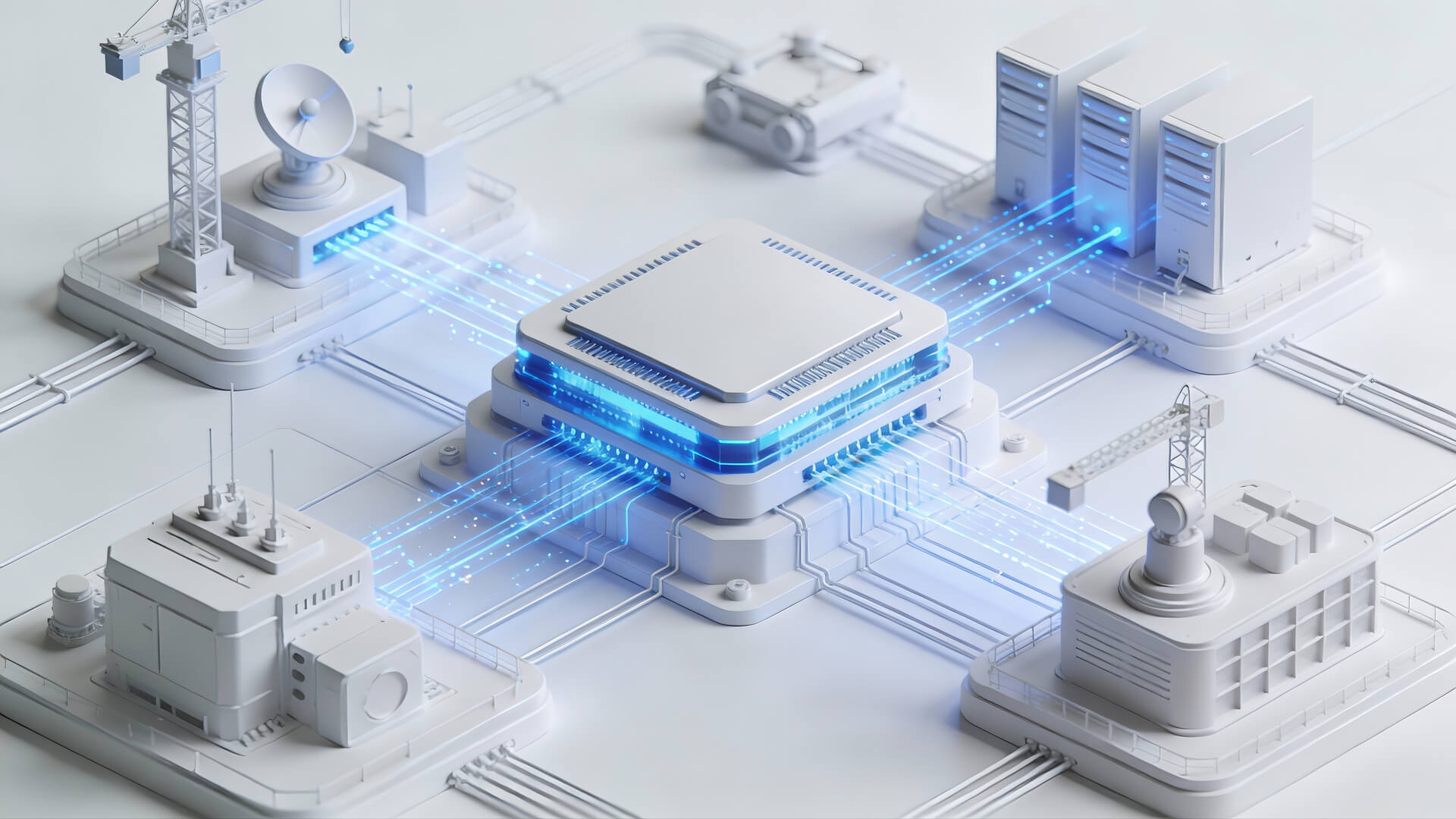
Communication Control Units
- Handles equipment signals, network data, and protocol conversion.
- Supports stable boot-up and continuous operation.
- High-reliability storage ensures long-term stability and compatibility.
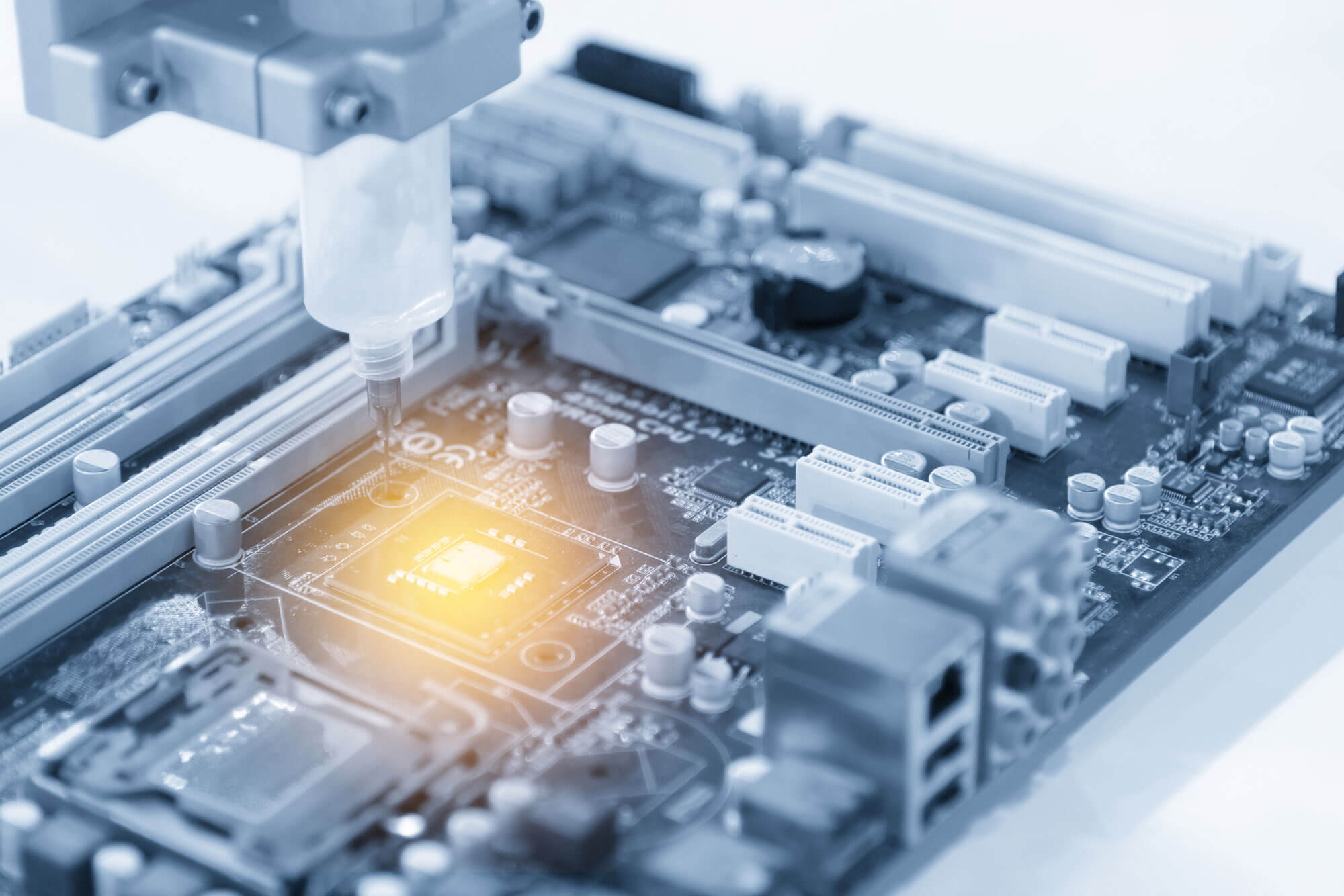
Control Boards
- Designed for machinery, medical, transportation, and industrial control systems.
- Integrates control functions in compact form factors.
- mSATA and embedded storage provide high-density storage solutions.

Industrial Gateway Modules
- Connects sensors, devices, and cloud platforms.
- Supports data aggregation, communication management, and local control.
- Stable storage preserves system settings and event logs.
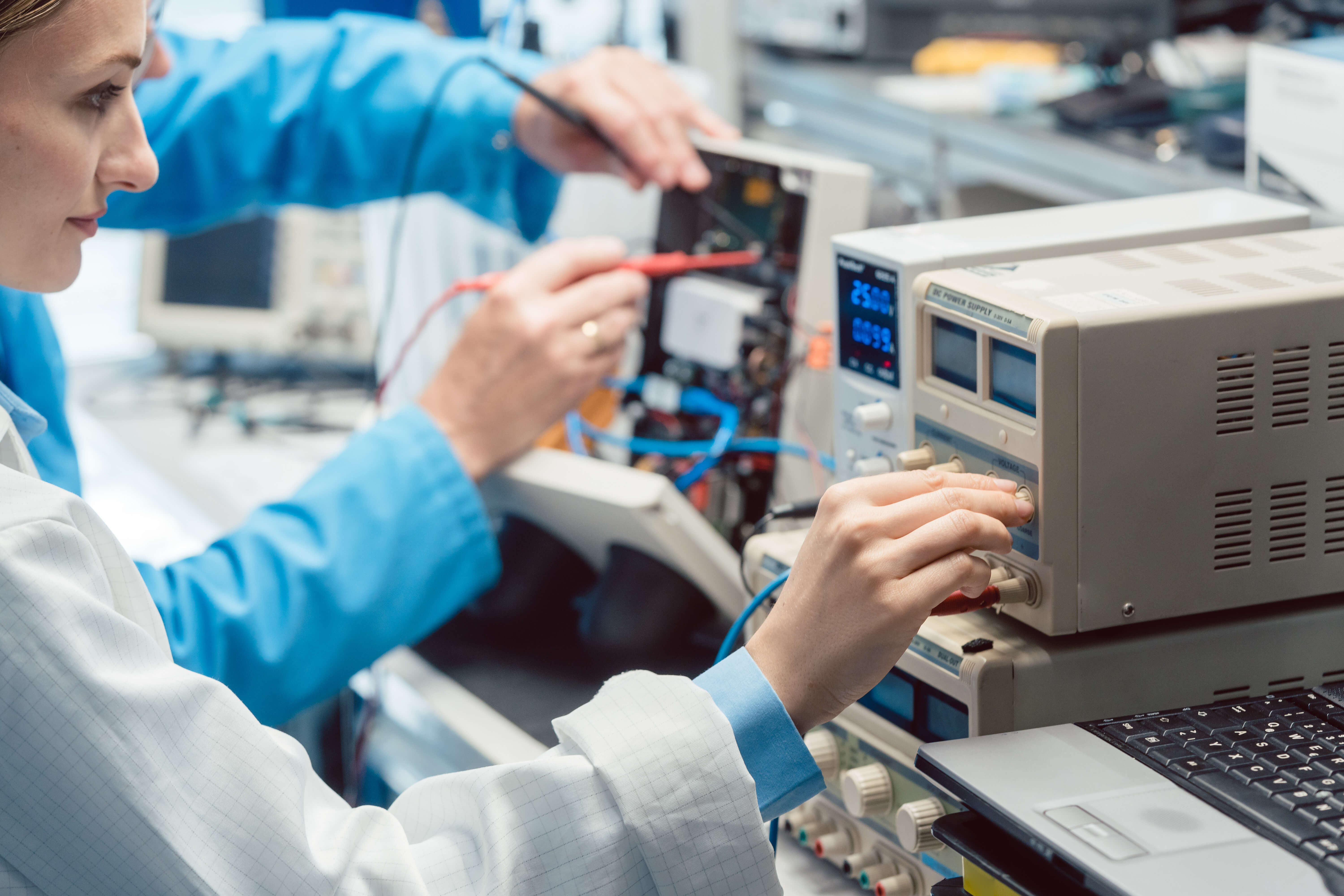
Test & Measurement Systems
- Records waveforms, test data, and system settings at high speed.
- Supports reliable long-term data storage and access.
- Stable SSDs and memory reduce the risk of data loss.

Key Challenges in Embedded Systems


ADATA Industrial Key Technologies for Embedded Systems



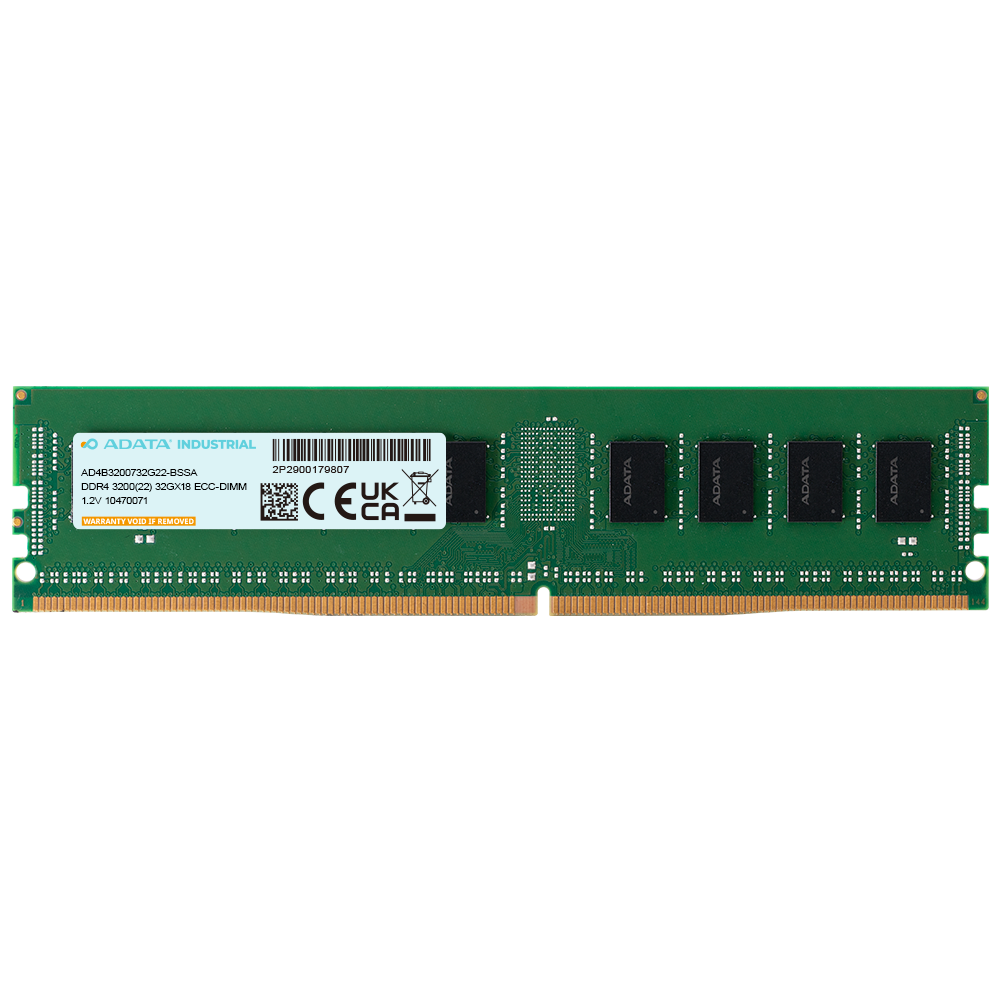
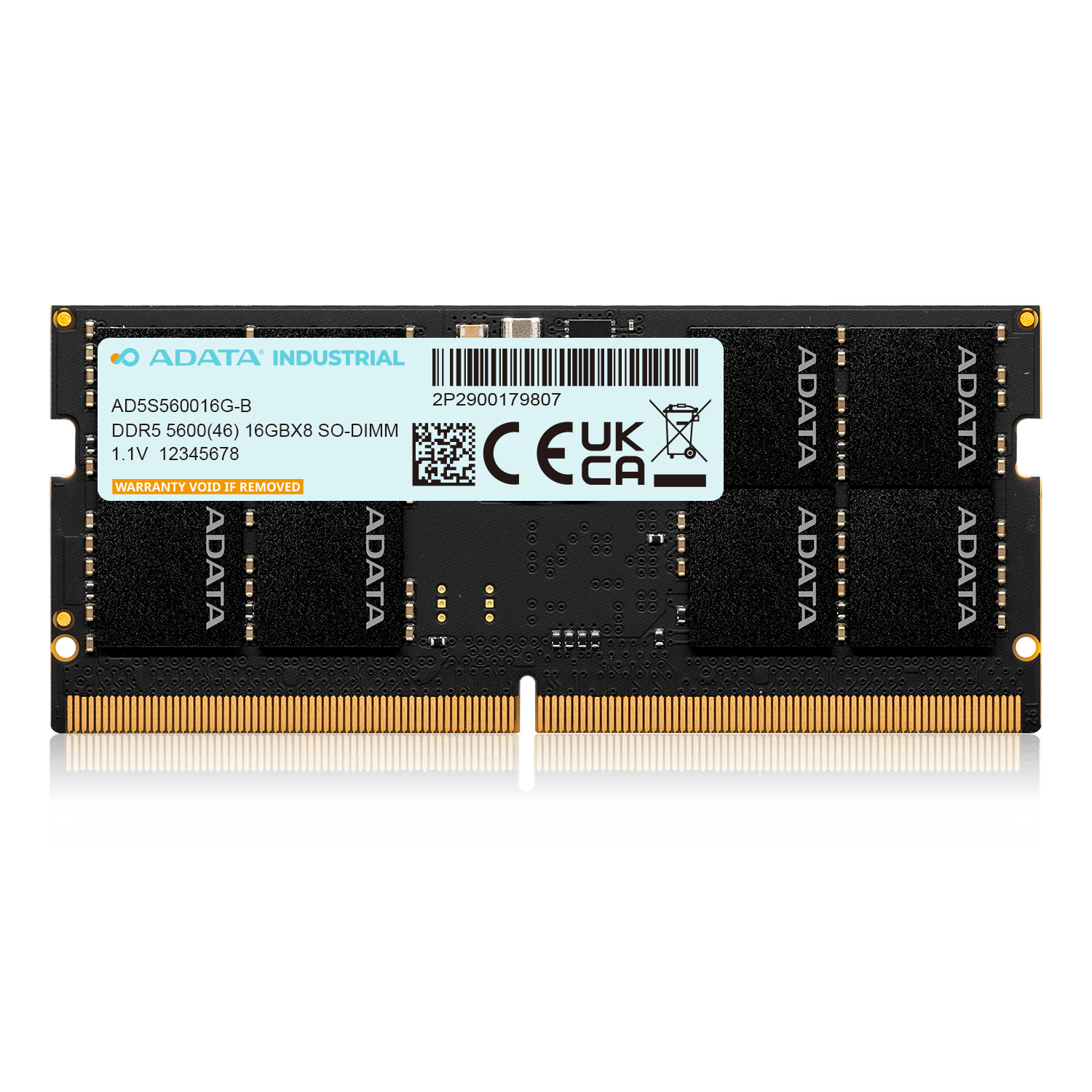
Recommended Products


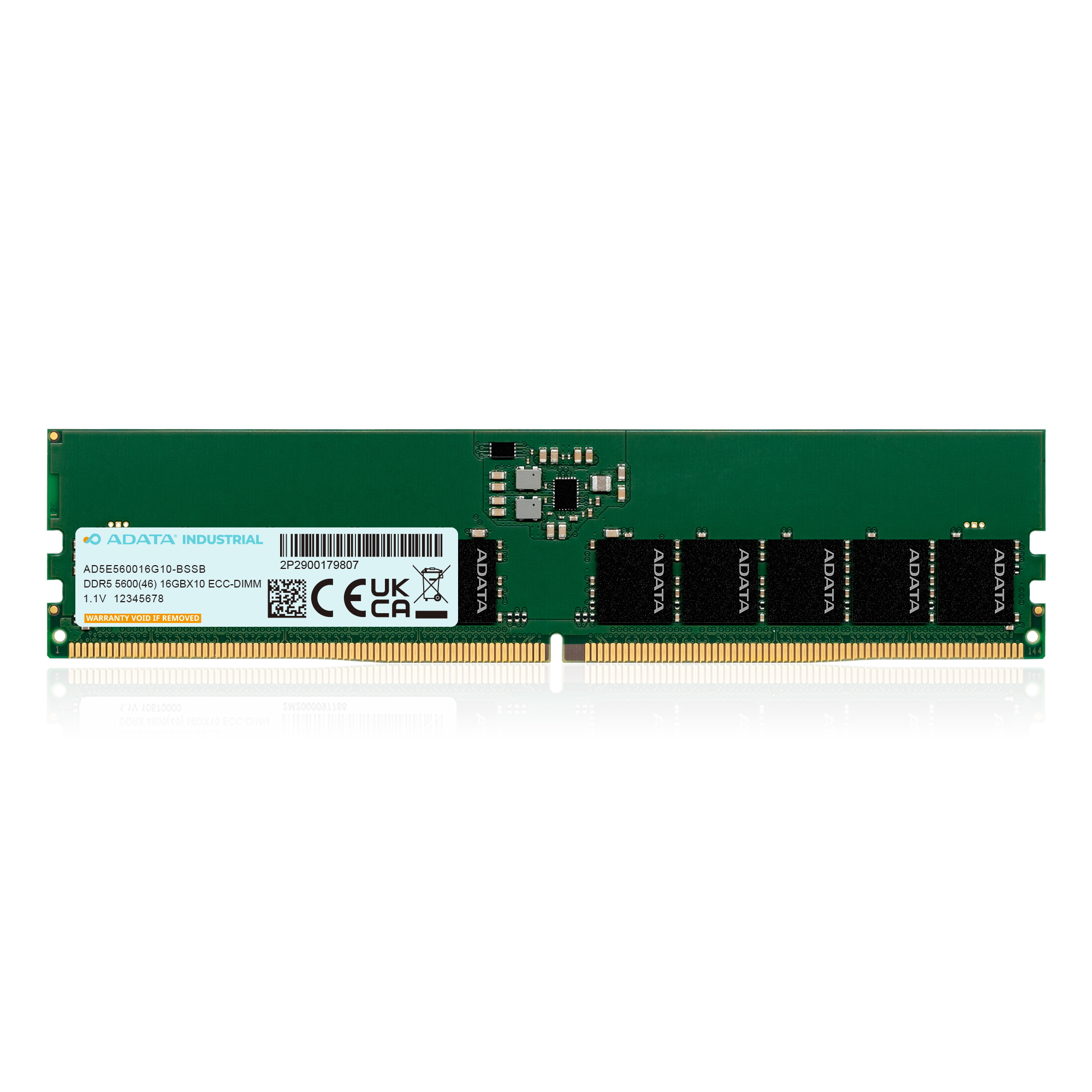

Proven Success Across Vertical Markets
ADATA Industrial embedded storage and memory solutions are designed for IPCs, communication controllers, industrial gateways, and test equipment.
With long lifecycle support, custom firmware, compact storage modules, and data protection features, these solutions help ensure long-term stability while reducing maintenance and validation costs.
Insights
View all
How to Use SSD SMART Data to Monitor Drive Health?
What is an automotive SSD? Learn how AEC-Q100 grades, IATF 16949, PLP, pSLC, encryption, and wide-temperature design affect SSD selection for in-vehicle and transportation systems.

Industrial mSATA SSD Guide for Embedded IPC Applications
Learn what industrial mSATA is, why it remains valuable for embedded IPC systems, and how to choose rugged mSATA SSDs for long-lifecycle industrial applications.
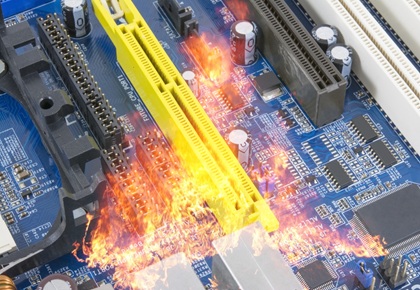
What Is SSD Power Loss Protection (PLP)? How It Works and Why It's Essential for Industrial SSDs
SSD power loss protection refers to a hardware-and-firmware safety net that helps keep an SSD from corrupting your data when power suddenly dies. Basically, it keeps an eye on the input voltage. When it detects any kind of brownout, it utilizes energy stored in capacitors on board. That additional energy lets the controller stop accepting new writes, flush volatile buffers to NAND, and finalize its internal mapping tables before everything goes dark.
Success Cases
View all
ATM
ADATA ISSS31C 2.5” SATA industrial SSDs deployed on global ATM terminals. A+ SLC 100K P/E cycle firmware, hardware power protection and AES 256 encryption safely store confidential banking transaction logs under fluctuating outdoor temperatures.

Rugged Tablets
ADATA compact wide-temp embedded industrial SSDs built for shockproof rugged tablets used in field construction, logistics and public safety. Anti-vibration design, long lifecycle supply and power loss protection secure field operation records and offline data.

Industrial PCs
ADATA full lineup SATA/M.2 industrial SSDs compatible with all embedded IPC hardware for automation, transport and surveillance. Wide temperature shock resistance and multi-year fixed BOM long-term supply simplify industrial computer system integration.