

-
Products
-
Solutions
-
Technology
Read moreProprietary Technologies
ADATA Industrial Team's Proprietary Technologies
 Read moreEndurance
Ultra-Long Lifecycles
Read moreSecurityIndustrial Data Security
Read moreData IntegrityFull-Link Verification
Read moreRuggednessDesigned for Harsh Environments
Read moreStabilityZero-Error Reliability
-
What's New
- Services
- About Us













Automation
Intelligent Manufacturing
Automation
Industrial automation systems such as PLCs, data loggers, machine vision, and automated warehouses require continuous data recording and reliable operation.
Because industrial environments often face extreme temperatures, vibration, dust, and unstable power, industrial-grade SSDs are essential for long-term data integrity and system stability.

Suitable for Industrial Automation Applications
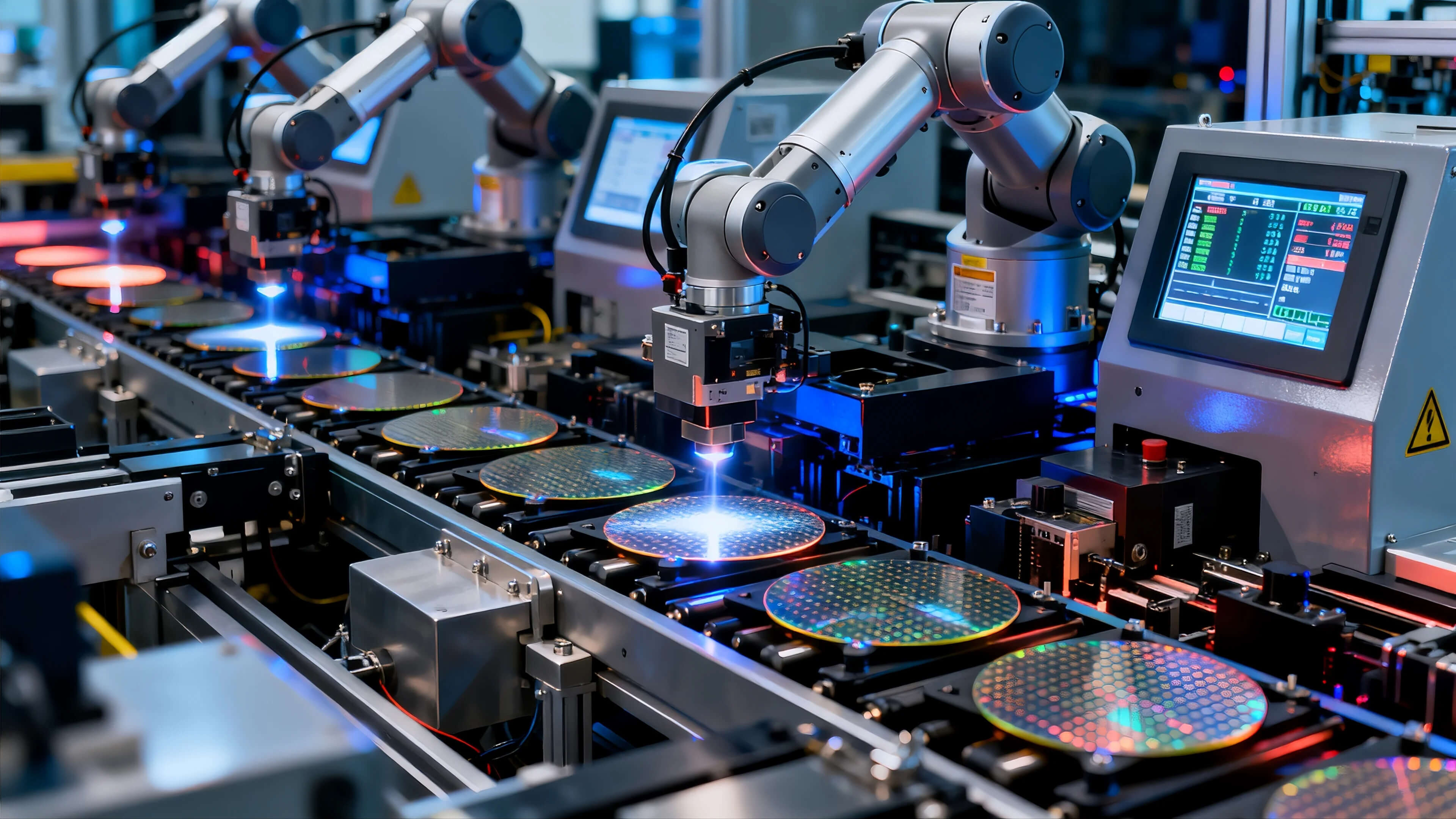
PLC and Factory Control Systems
- Supports real-time processing of equipment signals, control commands, and production data.
- Reliably stores system settings, operation logs, and event records.
- Delivers stable long-term write performance to reduce production downtime risks.
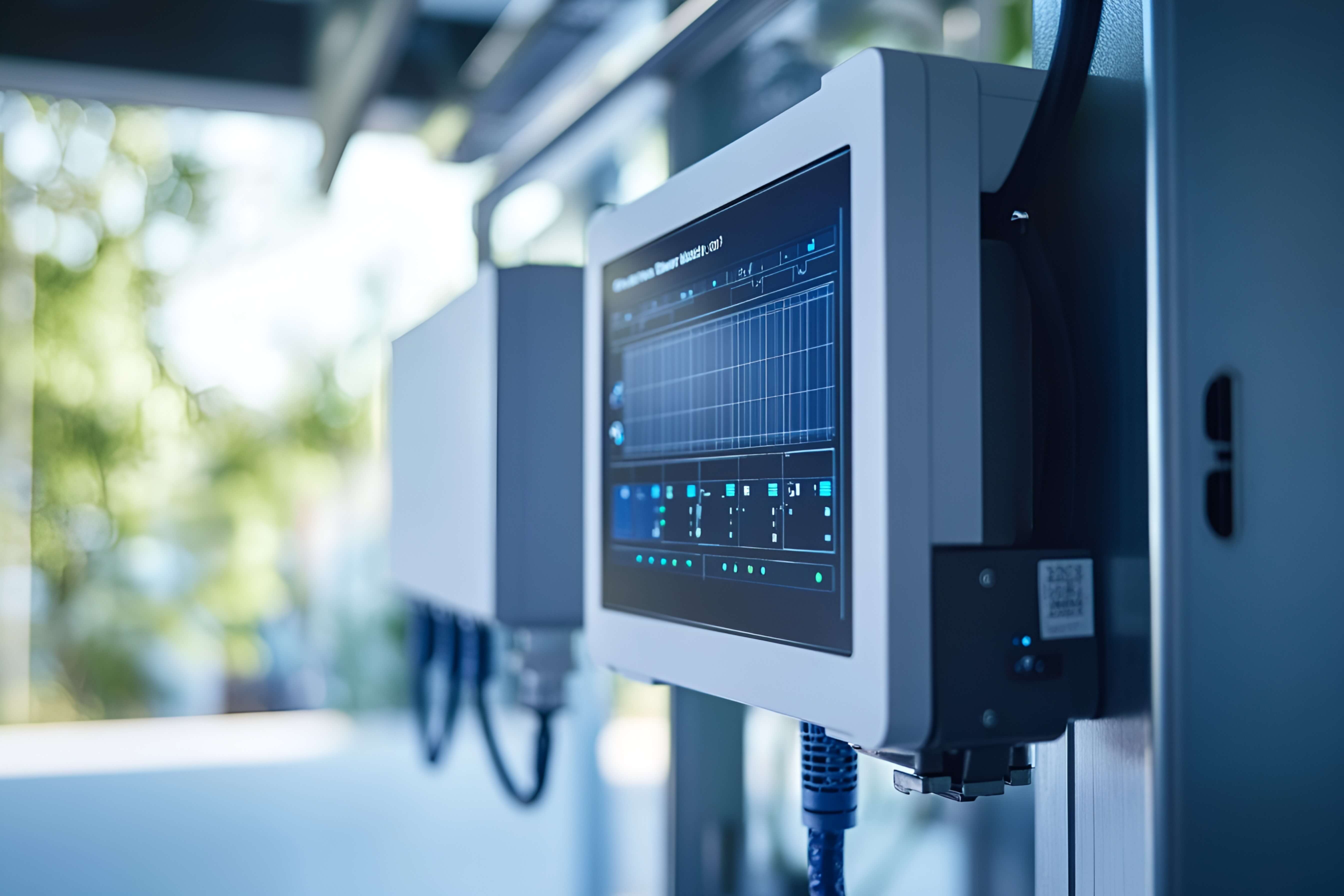
Data Logger Systems
- Supports long-term logging of equipment status, environmental data, and event records.
- High-endurance design meets continuous write requirements.
- Ensures data integrity and traceability for production records.

Industrial Robotics Systems
- Supports logging of operating paths, control parameters, and maintenance records.
- Designed to withstand high-vibration and demanding operating environments.
- Enhances system stability while reducing the risk of data errors.
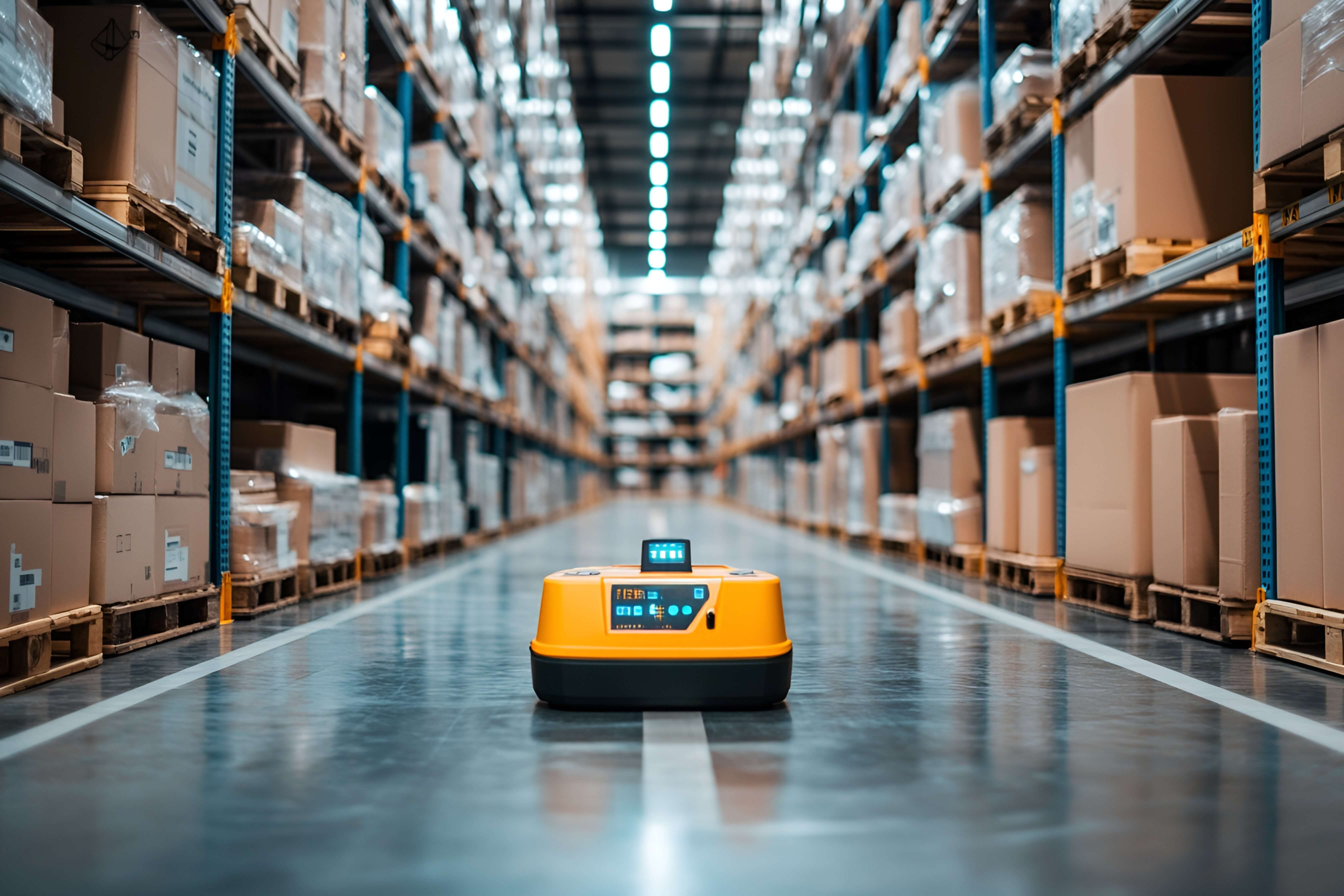
Inspection Robots and ASRS Systems
- Designed for inspection robots, AGVs/AMRs, and automated warehouse systems.
- Supports reliable logging of navigation, positioning, and operational data.
- Features shock resistance, high endurance, and power-loss data protection.

Machine Vision and Edge AI Control
- Supports real-time image capture, defect inspection, and result logging.
- Provides high-speed data buffering, analysis, and transmission.
- Improves machine vision performance and production line efficiency.

Key Challenges in Industrial Automation


ADATA Industrial Key Technologies for Automation

High Endurance and Write Stability Design
ADATA Industrial leverages A+ SLC technology and enterprise-grade eTLC NAND to deliver high-endurance 3D TLC SSDs.

Wide Operating Temperature Design
ADATA Industrial uses industrial-grade NAND Flash, controllers, and power ICs validated for -40°C to 85°C operation.
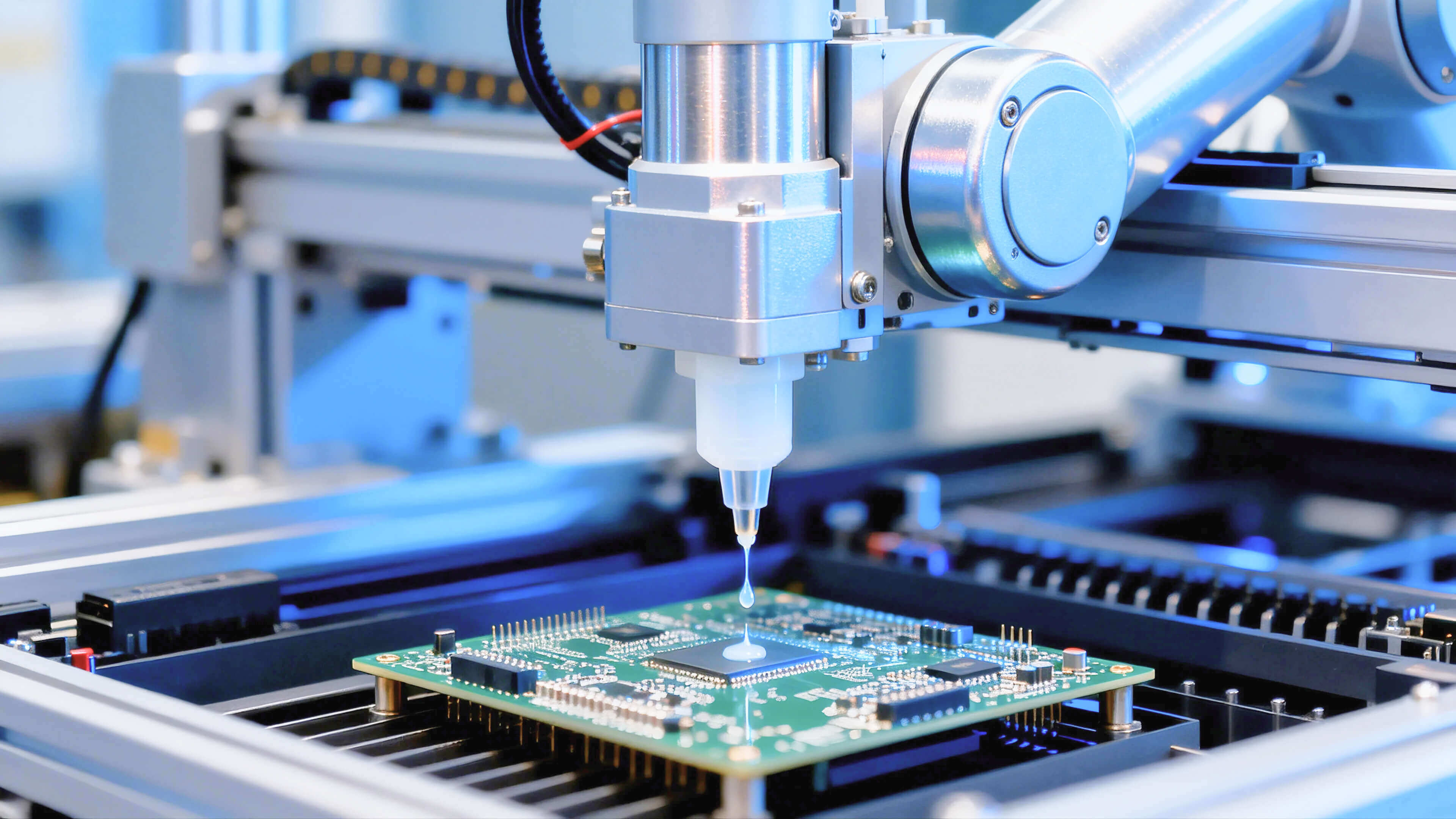
Conformal Coating&Anti-Sulfuration Protection
For industrial environments with high levels of dust, moisture, oil mist, and corrosive gases, ADATA Industrial offers optional Conformal Coating and anti-sulfurization technologies.

Power Loss Protection (PLP)
ADATA Industrial integrates hardware and firmware-based Power Loss Protection (PLP) to reduce data corruption risks during unexpected outages.
Recommended Products



Proven Success Across Vertical Markets
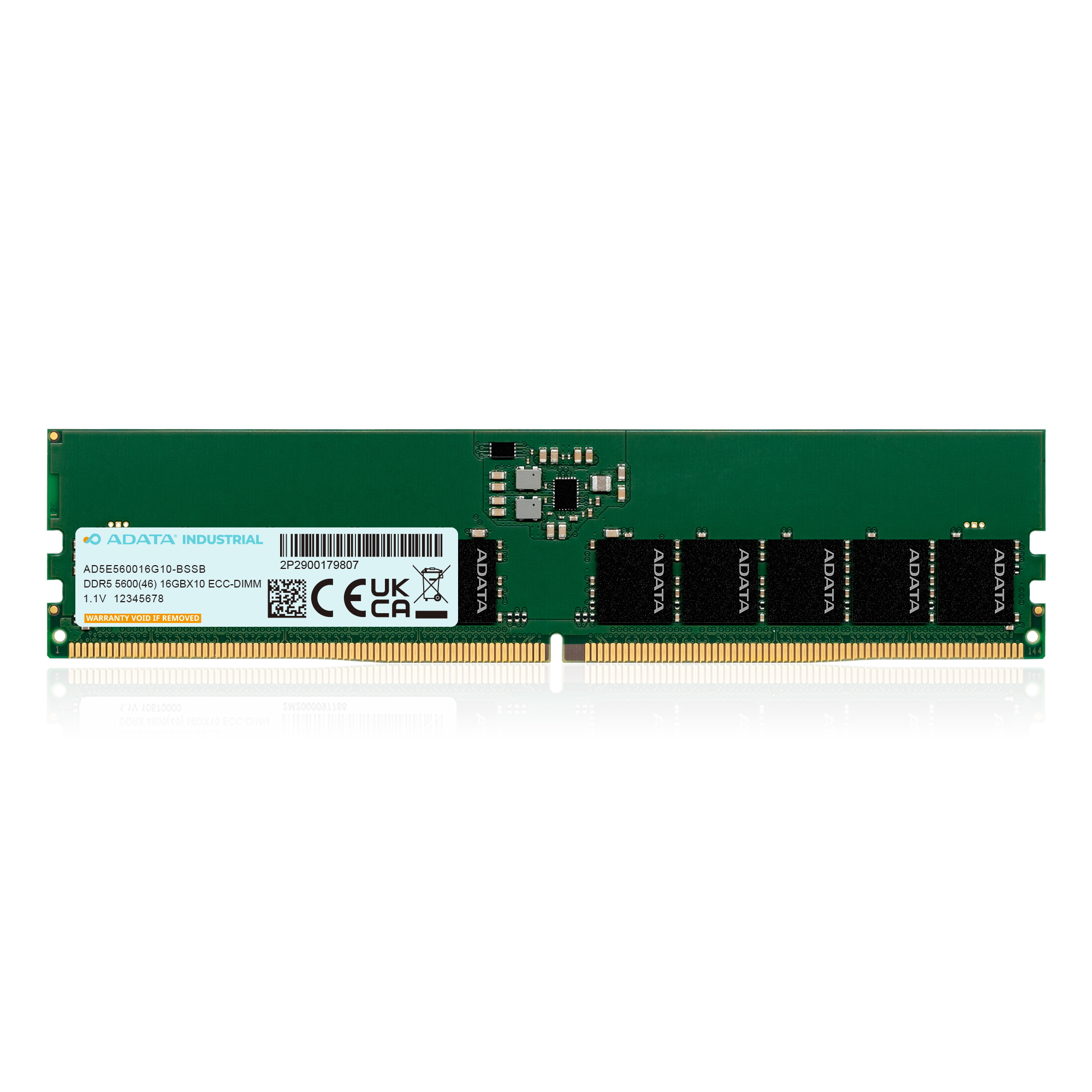
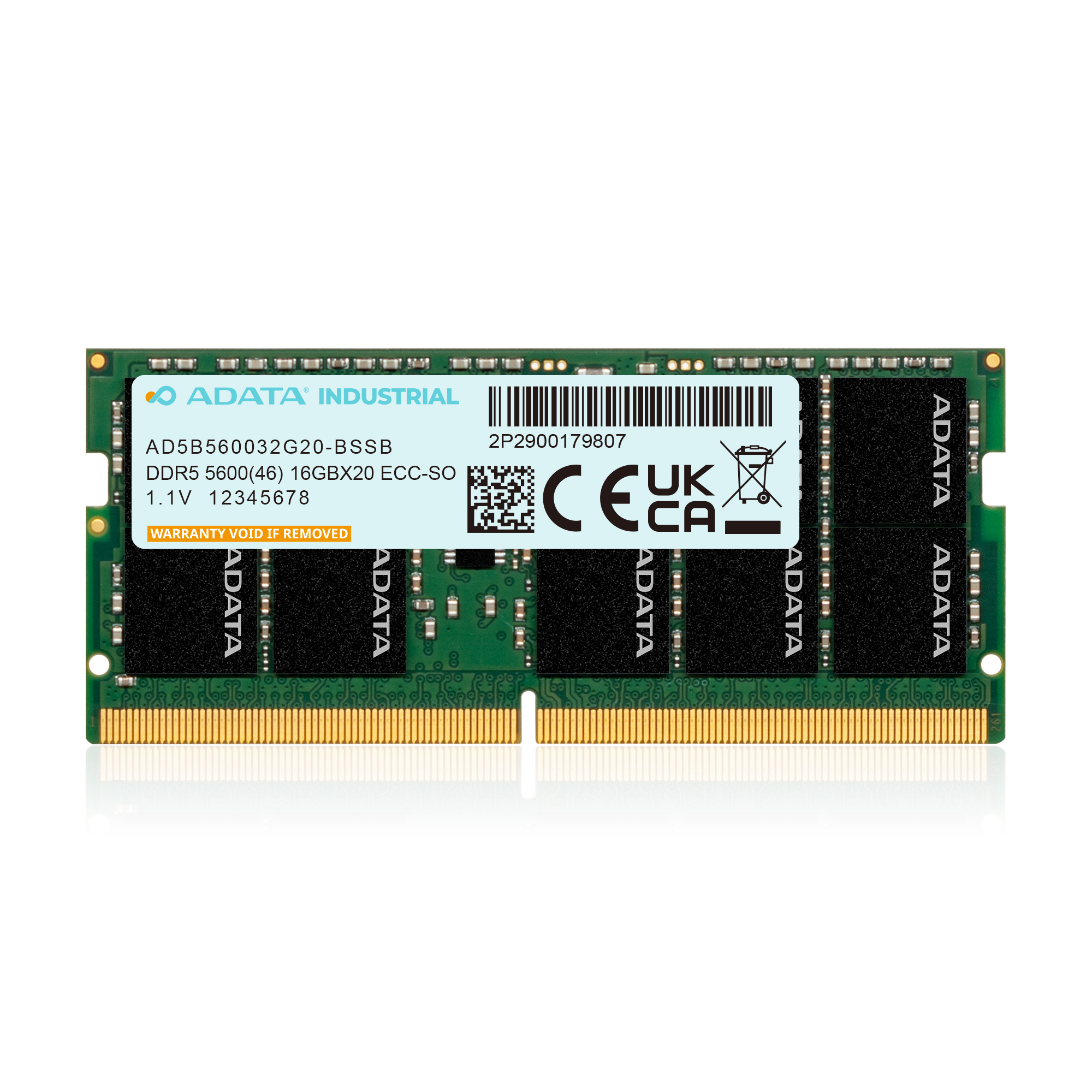
ADATA Industrial industrial-grade SSD and DRAM solutions are designed for PLCs, data loggers, robotic arms, inspection robots, automated warehouses, and machine vision systems.
Featuring A+ SLC, eTLC, high DWPD, wide-temperature support, conformal coating, anti-sulfuration, and Power Loss Protection (PLP), these solutions help ensure stable operation in harsh environments, reduce downtime, and improve data reliability.
Insights
View all
High-Endurance SSD: TBW and Service Life for Real-World Workloads
Learn how TBW, DWPD, P/E cycle, and pSLC, MLC, TLC, and QLC affect industrial SSD endurance. Choose the right SSD for surveillance, cybersecurity, and edge workloads with support from ADATA Industrial.

How to Use SSD SMART Data to Monitor Drive Health?
What is an automotive SSD? Learn how AEC-Q100 grades, IATF 16949, PLP, pSLC, encryption, and wide-temperature design affect SSD selection for in-vehicle and transportation systems.
Maximizing SSD Endurance: The Role of Wear Leveling in Enterprise Storage
Success Cases
View all
Die Bonder
ADATA low-latency high-endurance industrial SSDs serve chip die bonder production lines. A+ SLC firmware eliminates data frame loss, stably records precise bonding parameters and manufacturing logs to guarantee uninterrupted semiconductor precision production.

Wafer Dicing Machine
ADATA wide-temp industrial SSDs adapt to cleanroom temperature swings for wafer cutting equipment. Continuous recording of cutting paths & vision inspection data, high-durability P-SLC flash supports 24/7 non-stop chip fabrication workflow.

Automation PLC Server
ADATA IM2S31C8P SATA M.2 SSDs equip European top-tier automation PLC servers. Featuring BiCS5 flash, customizable PLP power loss safeguard and -40~85°C wide temp range, secure production control programs and factory operation logs for 24/7 automated workshops.