

-
Products
-
Solutions
-
Technology
Read moreProprietary Technologies
ADATA Industrial Team's Proprietary Technologies
 Read moreEndurance
Ultra-Long Lifecycles
Read moreSecurityIndustrial Data Security
Read moreData IntegrityFull-Link Verification
Read moreRuggednessDesigned for Harsh Environments
Read moreStabilityZero-Error Reliability
-
What's New
- Services
- About Us













Healthcare
Protecting Data, Preserving Trust
Healthcare
Medical devices are advancing toward AI-assisted diagnostics and digital healthcare. Systems such as ultrasound, endoscopy, and medical imaging platforms must process large volumes of data while ensuring data integrity.
Storage solutions require high performance, low latency, and reliability to support real-time diagnostics and long-term data retention.
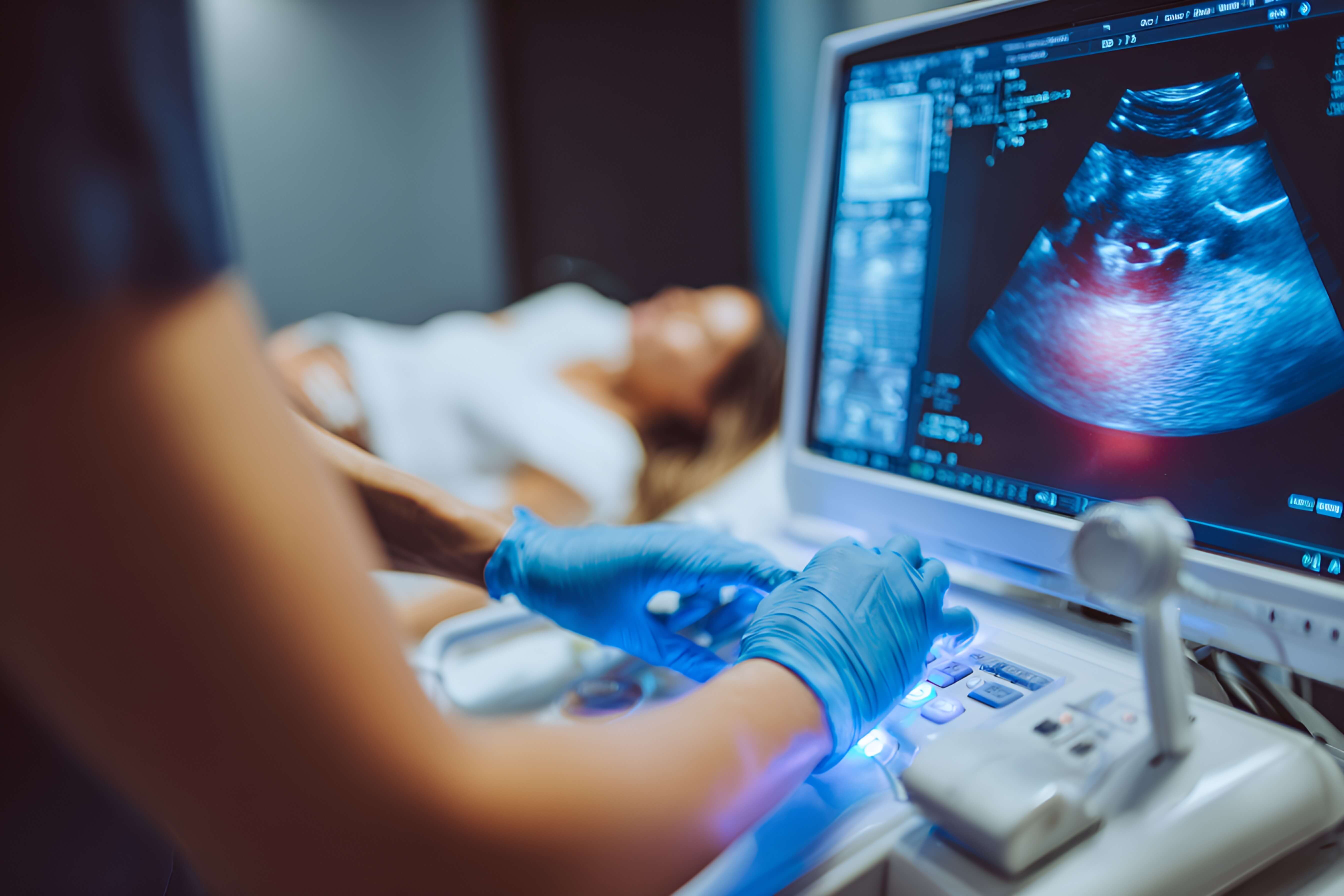
Suitable for Medical Applications
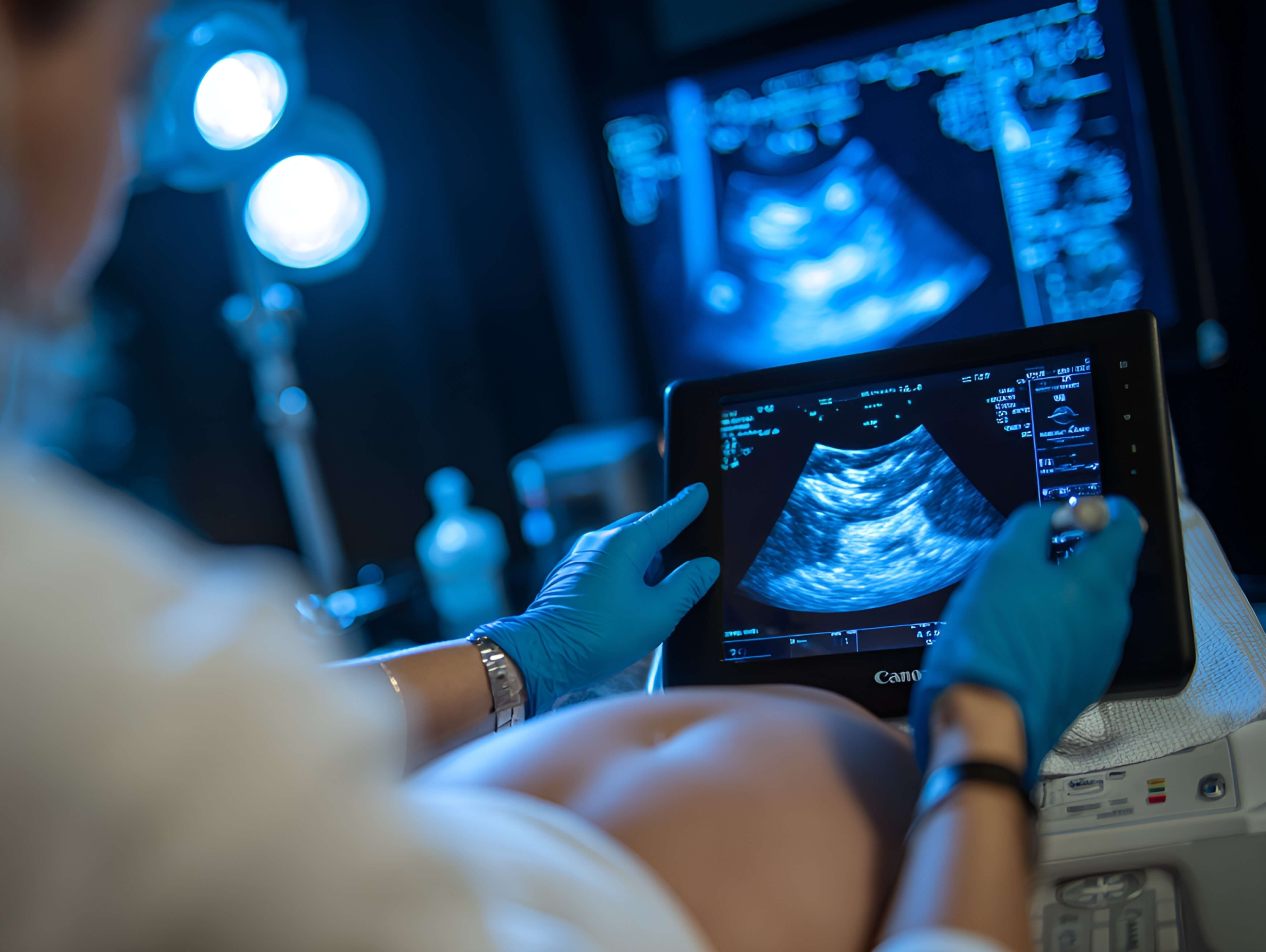
Ultrasound Systems
- Stores ultrasound imaging data in real time.
- Supports real-time diagnosis and image review.
- High-performance SSDs enhance efficiency and storage reliability.
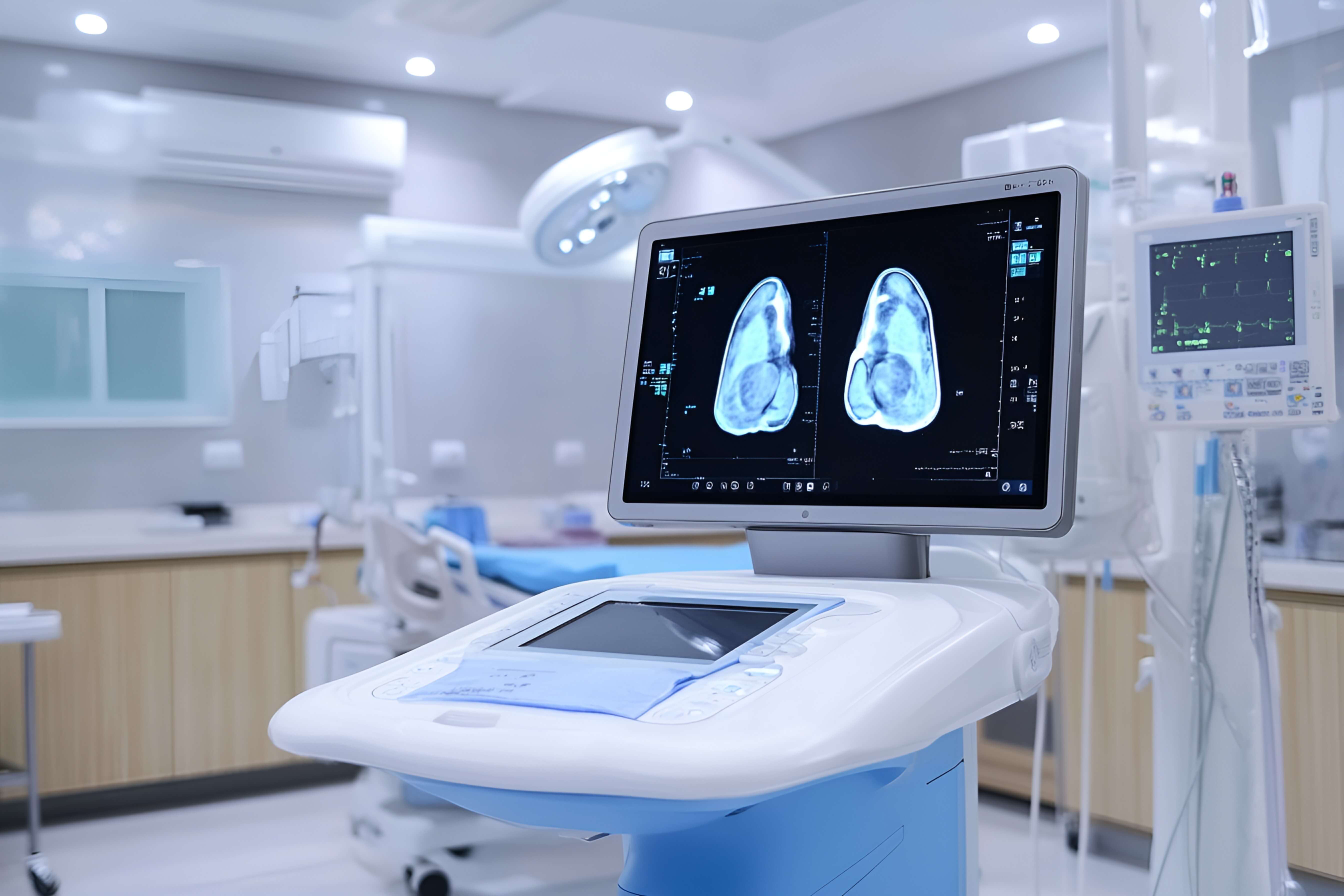
Endoscopy Systems
- Handles high-resolution imaging and continuous video streams.
- Stores examination images, surgical records, and diagnostic data.
- Stable storage reduces data loss risks and enhances reliability.

Medical Imaging Systems
- Handles large volumes of medical imaging data.
- Supports storage and management of extensive image files.
- High-speed SSDs and stable memory improve loading and analysis efficiency.
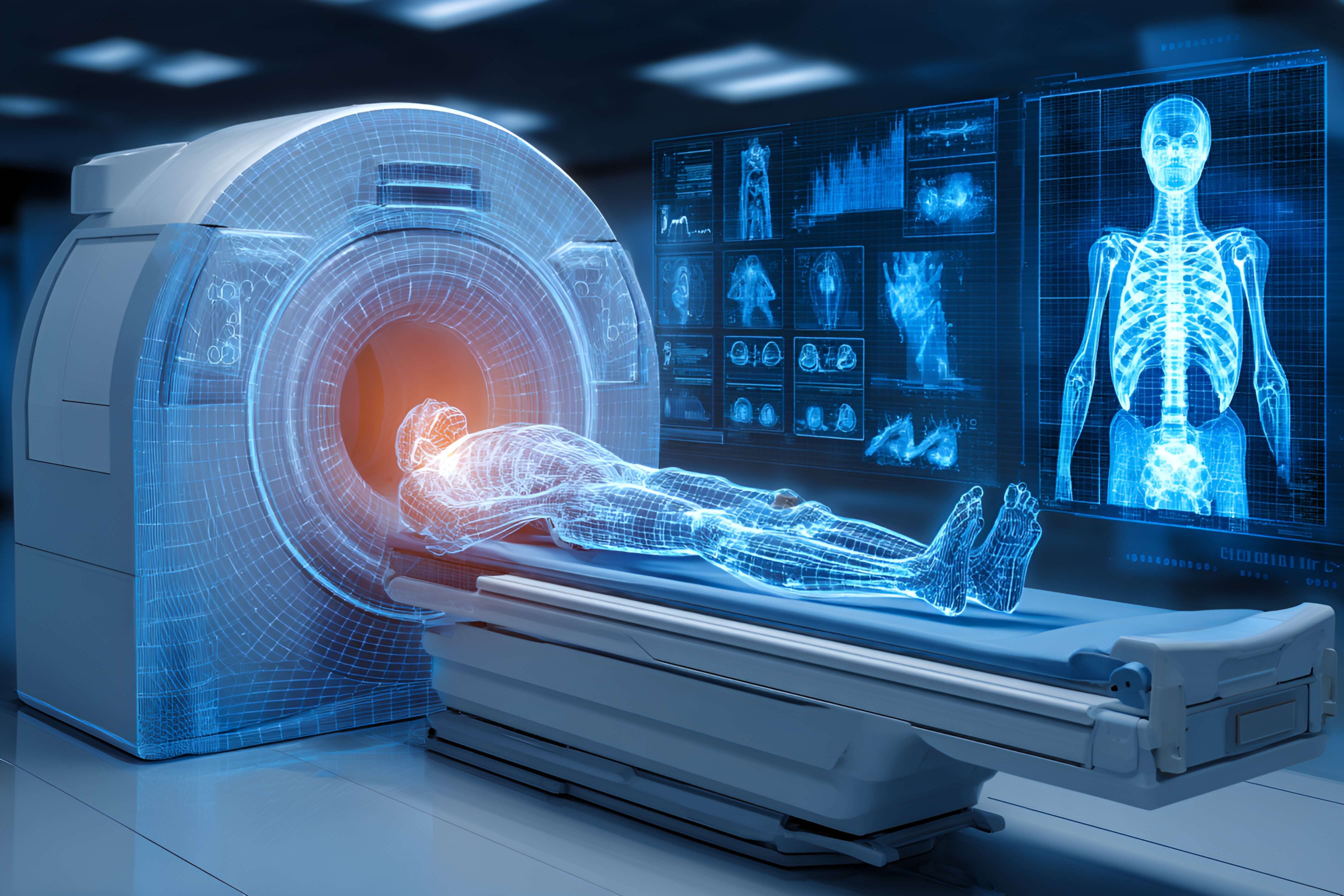
CT and High-Resolution Imaging Systems
- Handles high-resolution medical imaging data.
- Ensures smooth image access and retrieval.
- Industrial-grade SSDs enhance reliability and data security.

AI Medical Servers
- Supports medical image analysis and AI-assisted diagnosis.
- Enables fast access to imaging and model data.
- PCIe Gen4/Gen5 SSDs and DDR5 memory boost inference performance and responsiveness.

Key Challenges in Medical Systems


ADATA Industrial Key Technologies for Healthcare

PCIe Gen4/Gen5 High-Speed Storage Performance
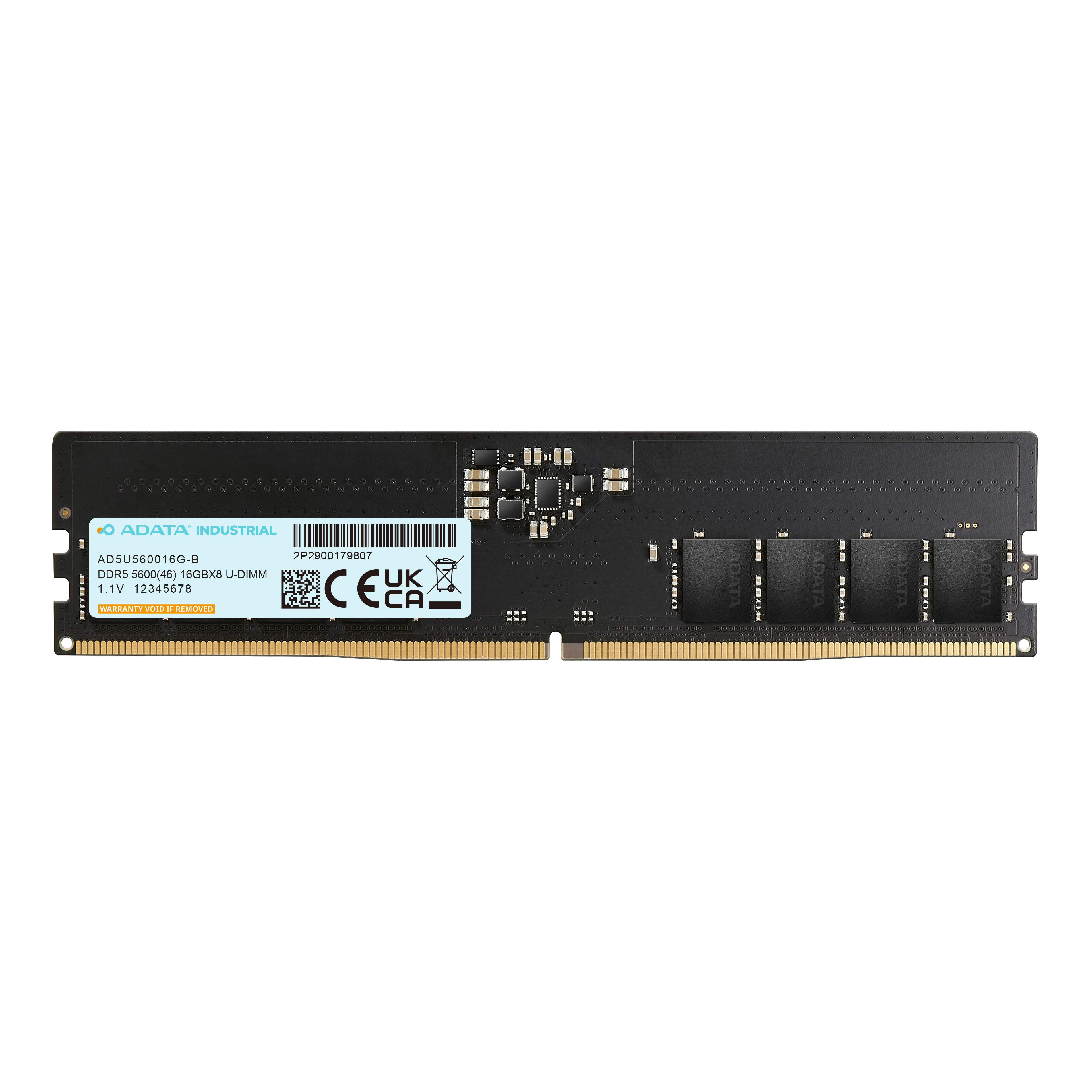
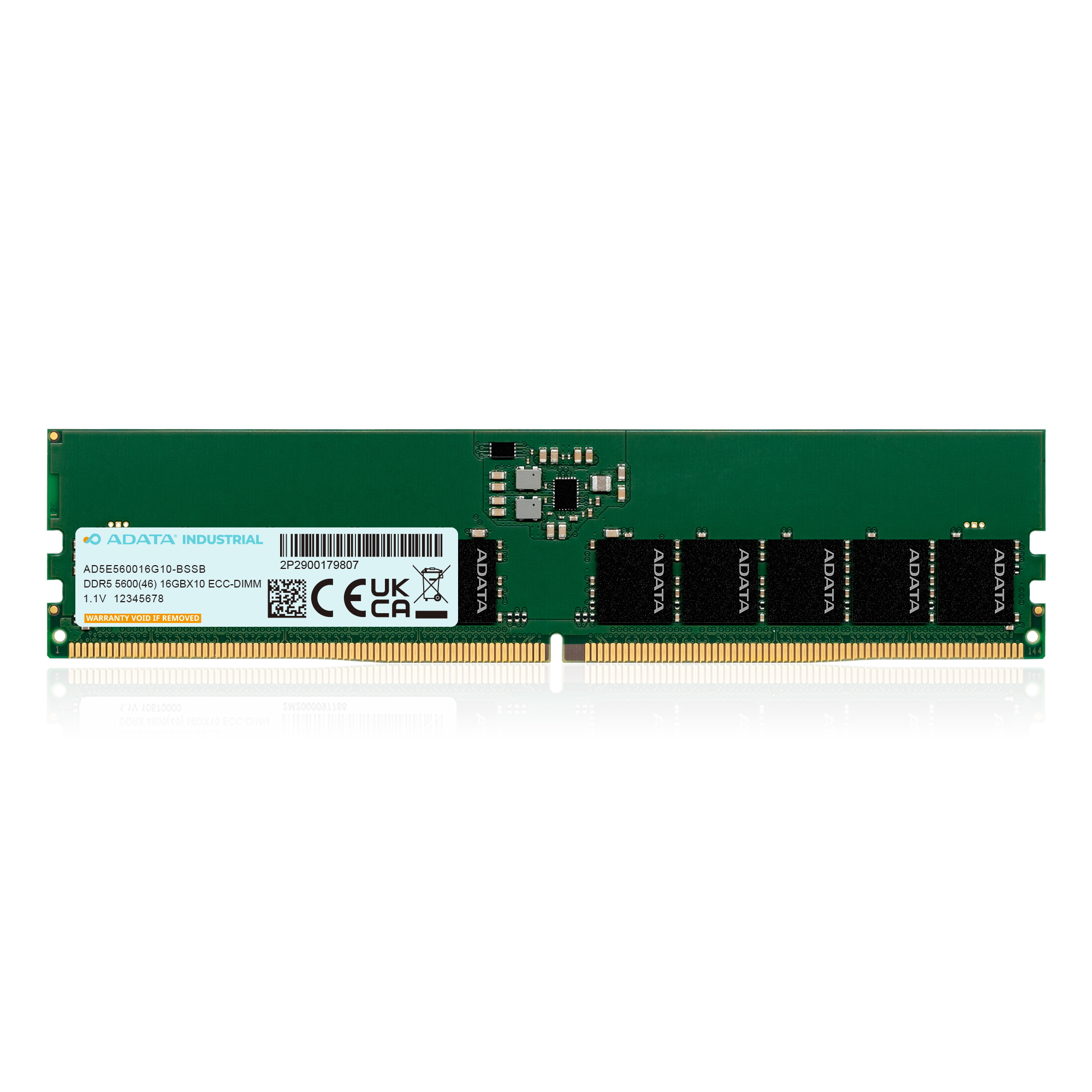
ADATA Industrial provides PCIe Gen4/Gen5 SSDs and DDR5 DRAM solutions with high bandwidth and low latency to accelerate image loading, data access, and AI inference.

Data Security and TCG Opal Support
ADATA Industrial medical storage solutions support AES 256-bit encryption and TCG Opal standards to protect sensitive healthcare data.


Recommended Products



Proven Success Across Vertical Markets
ADATA Industrial storage and memory solutions are designed for ultrasound, endoscopy, medical imaging systems, CT equipment, and AI medical servers.
With PCIe Gen4/Gen5 SSDs, DDR5 DRAM, encryption, and high-endurance technologies, they help improve diagnostic efficiency, data security, and long-term reliability.
Insights
View all
How to Use SSD SMART Data to Monitor Drive Health?
What is an automotive SSD? Learn how AEC-Q100 grades, IATF 16949, PLP, pSLC, encryption, and wide-temperature design affect SSD selection for in-vehicle and transportation systems.

How to Choose Industrial SSD for Medical Devices?
Medical devices are rapidly becoming more digital. From medical imaging systems, patient monitoring devices, endoscopy systems, and automated dispensing cabinets to healthcare edge gateways, an increasing number of healthcare applications must continuously record medical images, sensor data, operation logs, alarm events, and system status while supporting diagnostic and treatment workflows.

What Is an NVMe SSD?
Learn what an NVMe SSD is, how NVMe differs from SATA SSDs, and why NVMe storage is ideal for automation, industrial systems, and high-frequency data logging.
Success Cases
View all
Next-Generation Ultrasound Imaging Equipment
A medical imaging equipment manufacturer faced data vulnerability and endurance challenges in their next-generation ultrasound systems. ADATA Industrial delivered the IM2P41E8 PCIe Gen4x4 SSD with A+SLC technology and advanced data protection to ensure absolute reliability in demanding medical environments.

Medical Lab Testing Equipment
ADATA IM2P32A4 M.2 2242 PCIe SSD and DDR5 U-DIMM for European medical lab analyzers. UL 62368-1 certified, PCIe Gen3 high-speed read/write and end-to-end data protection reliably preserve clinical testing data across all lab temperature conditions.

Portable CT and Ultrasound System
ADATA medical-grade wide temp industrial SSDs for portable ultrasound and CT scanners. High-speed sequential write performance quickly save high-resolution DICOM medical images, power loss protection prevents loss of critical patient diagnostic data during mobile scans.